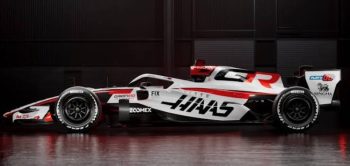

Racing costumes, whether for Formula 1, MotoGP, or Monster Jam, are the perfect blend of cutting-edge technology and fashion. These suits are not just about looking good on the track – they are designed to offer maximum protection while reflecting the personality and style of both the racing teams and drivers. This article explores how racing costumes in 2025 merge functionality with fashion, creating the perfect attire for high-performance athletes.
The Evolution of Racing Costumes in Motorsports
The Origins of Racing Suits: From Safety to Style
The first racing suits were primarily designed for safety, with little concern for appearance. Early racing suits were made from simple cotton fabrics, which were not fire-resistant or protective. It wasn’t until the 1960s and 1970s that flame-resistant fabrics like Nomex and Kevlar were introduced, drastically improving driver safety.
Early Designs and the Influence of Motorsports Technology
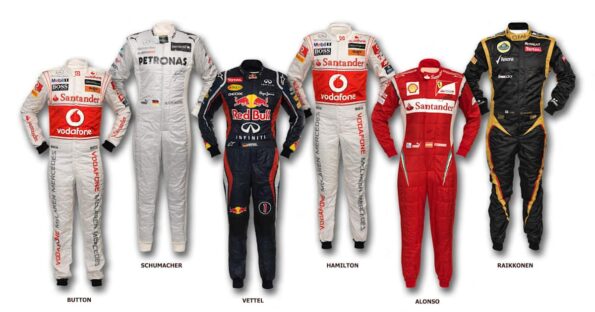
As motorsports progressed, so did the technology behind the racing suits. In the 1980s and 1990s, racing suits began to incorporate features such as built-in hydration systems, advanced fireproofing, and greater flexibility. Racing brands started to realize the importance of merging style with safety. Today, the focus is not just on protection but also on aerodynamics and comfort.
The Shift Toward Fashion-Forward Racing Gear
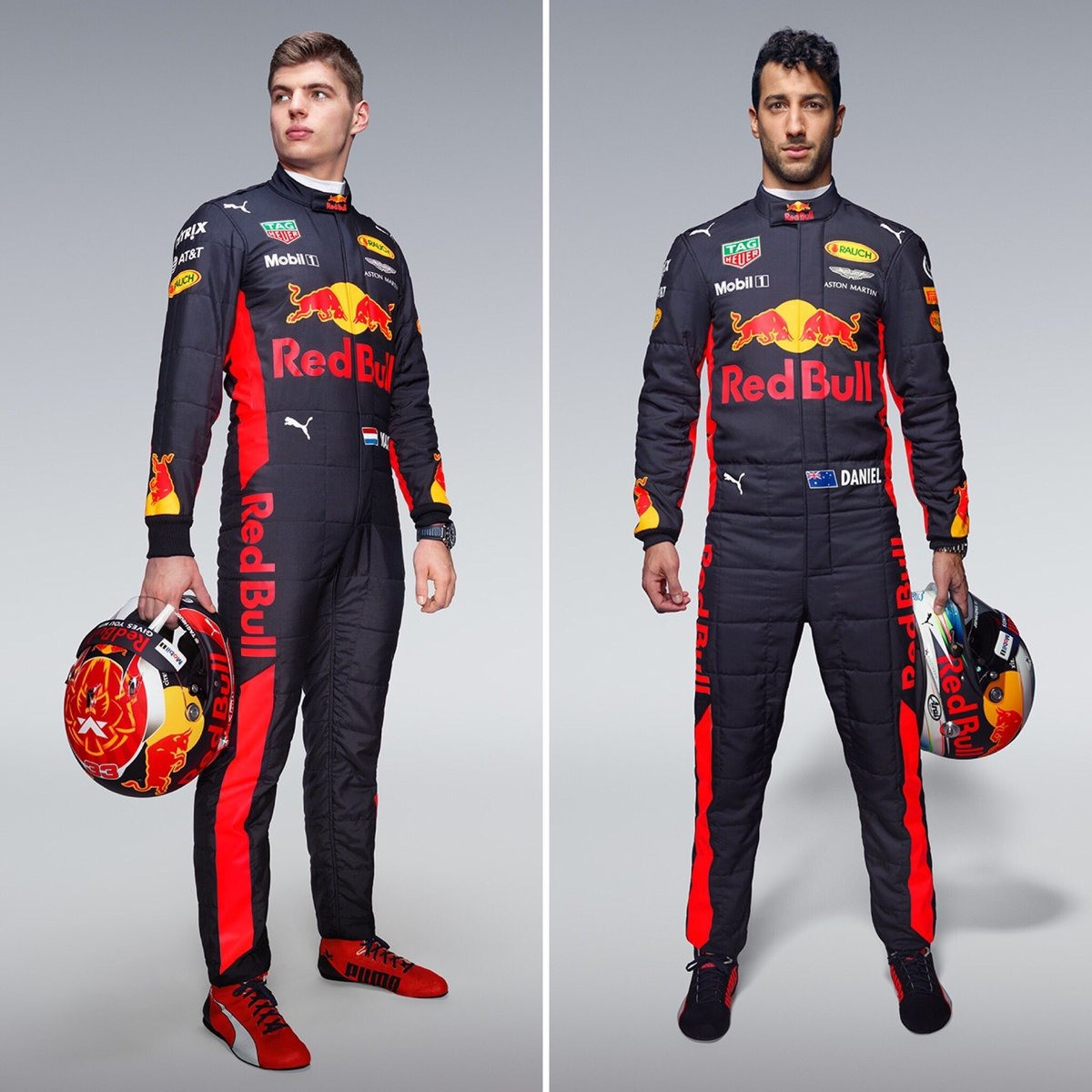
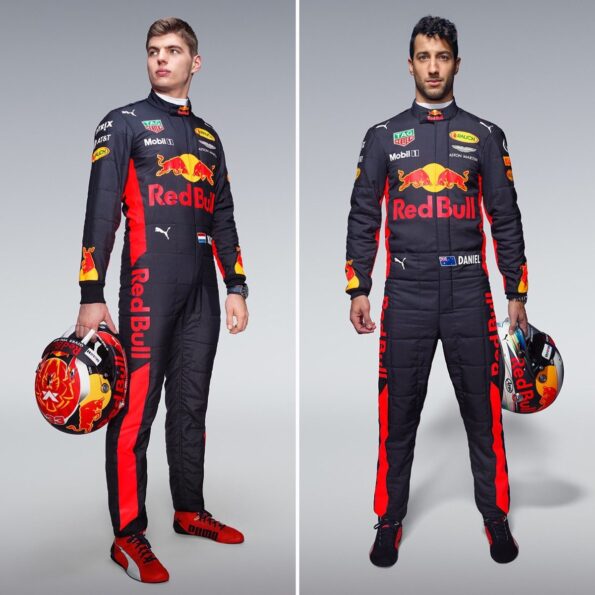
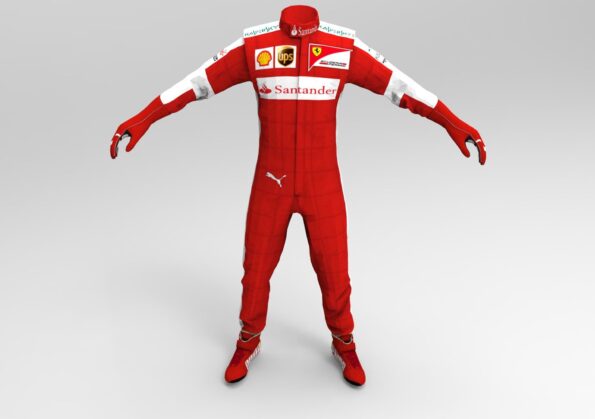
Today, racing suits are more than just protective gear – they are an extension of the driver’s personality and branding. The most famous teams and drivers often sport suits with custom logos, team colors, and sponsorship designs, making them as fashionable as they are functional. Teams like Ferrari in F1 or Red Bull Racing have set the standard in the motorsports industry for creating stylish, high-performance racing suits that also make a visual impact on and off the track.
The Importance of Functionality in Racing Costumes
The Role of Safety in Racing Suits
The primary purpose of any racing suit is to protect the driver from the dangers of high-speed crashes and fires. Racing suits are designed to meet strict safety regulations set by governing bodies like the FIA and FIM. They are made with multi-layered fabrics that provide protection against flames, heat, and abrasions, while allowing the driver to move freely and comfortably.
Key Features: Flame Resistance, Impact Protection, and Aerodynamics
In addition to fire resistance, modern racing suits also focus on impact protection and aerodynamics. For instance, F1 suits are equipped with impact-absorbing materials around key areas like the shoulders and elbows, while MotoGP suits are built with knee protection and armor inserts. The suits are designed to be form-fitting to minimize drag and maximize performance on the track.
How Racing Suits Protect Drivers in High-Speed Environments
When driving at speeds over 200 mph, the likelihood of an accident is high, and a racing suit’s ability to protect the driver in the event of a crash is paramount. Racing suits are designed to minimize the impact of flames and abrasions. Drivers also wear fire-resistant underwear, gloves, and boots, all made from similar fire-retardant materials, ensuring that the driver remains safe during even the most extreme conditions.

How Fashion is Integrated into Racing Costumes
The Rise of Customization: Branding, Team Logos, and Personalization
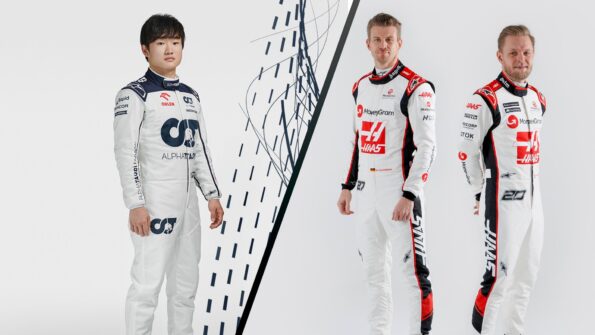
As racing costumes have evolved in terms of safety, they’ve also become personalized uniforms for drivers and teams. Sponsorships and logos are placed on the suits to represent both the team’s identity and the companies that support them. Brands like Puma, Alpinestars, and Under Armour have become key players in racing gear, not only providing protection but also offering stylish options with bold designs and colors.
Color, Fabric, and Design Trends in Racing Costumes
Racing suits today are more than just practical – they’re part of a visual spectacle. Bright colors, dynamic patterns, and team-specific designs make these suits stand out. The fabric technology has also come a long way, offering not only durability and comfort but also breathability and lightweight performance. From carbon fiber inlays to reflective strips for added visibility, racing suits now combine both function and style effortlessly.
The Future of Racing Costumes: Merging Performance and Style
Upcoming Trends: Sustainable Fabrics and Smart Textiles
The future of racing gear is heading in an exciting direction, where sustainability and technology play a major role in both performance and design. As the fashion industry and motorsports continue to merge, eco-friendly fabrics and smart textiles are becoming a focal point. The integration of recyclable materials and biodegradable fabrics is crucial for the future of racing suits, ensuring that the sport continues to evolve while minimizing its environmental impact.

The Growing Role of Fashion Designers in Motorsports Apparel
In recent years, fashion designers have become more involved in motorsports apparel, collaborating with brands to bring high fashion to the racetrack. These collaborations allow the fusion of cutting-edge design and functional racing gear. Designers like Puma and Alpinestars have already set the bar, but expect more collaborations between motorsport brands and mainstream fashion houses in the near future.
How Fans and the Industry Are Shaping the Future of Racing Costumes
The future of racing costumes will also be shaped by the fans and the broader motorsports community. Fans are increasingly seeking racing apparel that allows them to express their individuality while showing their support for their favorite drivers or teams. As motorsport culture continues to expand, we can expect personalized gear that not only meets the performance standards but also represents the unique personalities of both the drivers and the fans.
Conclusion: The Balance of Safety and Style in Racing Costumes
Racing costumes have evolved significantly, moving from basic protective gear to high-performance fashion statements. The combination of functional safety features and stylish designs makes racing costumes one of the most unique forms of apparel in the world of sports. They symbolize the merging of technology with personal expression, proving that style and safety can coexist on the racetrack.
As motorsports continues to grow and evolve, so will the racing gear that supports it. Future racing costumes will likely incorporate even more advanced technology, smart fabrics, and sustainable materials while maintaining a focus on style and safety. The racing world will continue to push the envelope in terms of both performance and aesthetic, keeping both drivers and fans engaged well into 2025 and beyond.