
If you care about endurance racing, the arrival of bmw 15 hypercar talk is hard to ignore. It suggests a new BMW chapter built for long stints, fast laps, and relentless reliability. The story behind this project feels less about hype and more about engineering intent.
What Makes the BMW 15 Hypercar Stand Out
Why Endurance Demands More Than Speed
The Role of BMW’s Motorsport Mindset
Building Confidence for Drivers and Teams
Design and Aerodynamics of the BMW 15 Hypercar
Shapes That Reduce Drag Without Losing Downforce
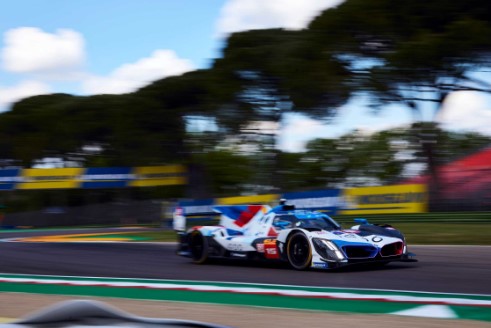
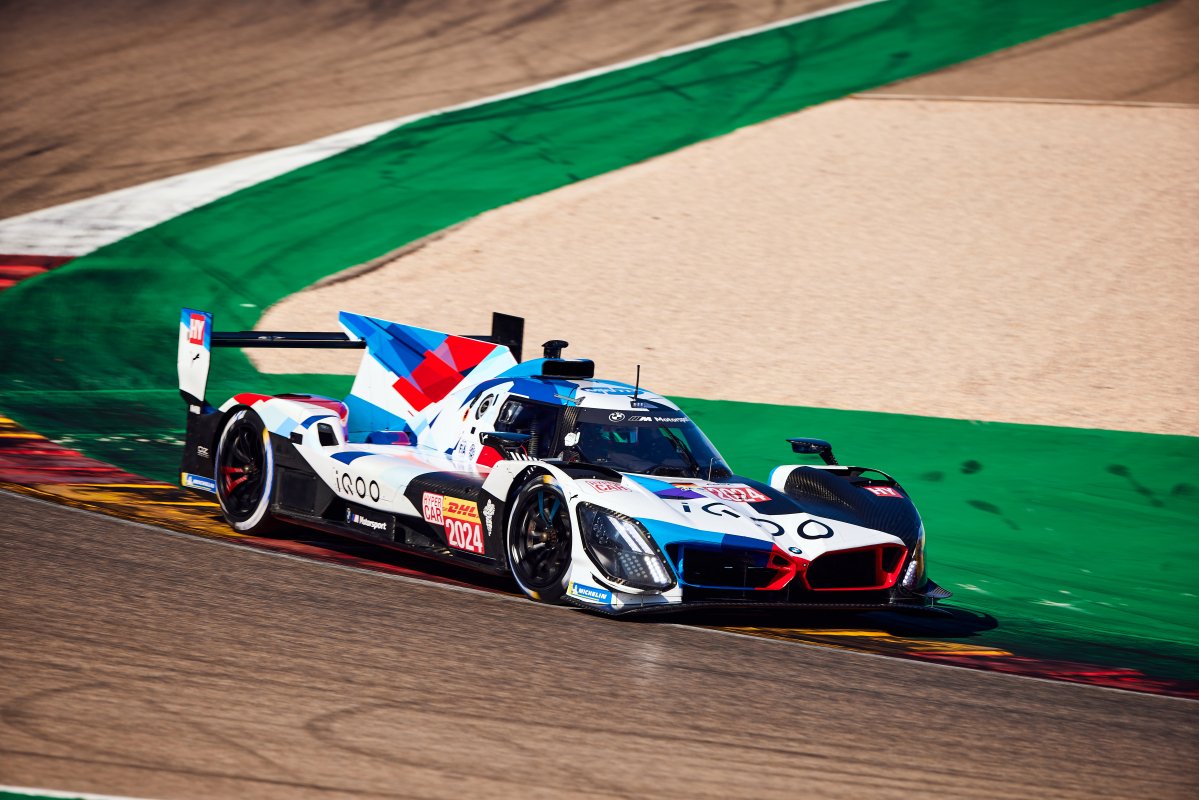
Aerodynamic design is one of the main areas where the BMW 15 Hypercar must prove its credibility. Endurance racing demands downforce that remains effective over long runs, while low drag helps on straights and supports efficient cooling. BMW’s usual focus on performance efficiency fits this approach well.
Modern hypercar bodywork must also keep airflow stable as speed and conditions change. A design that only works within a narrow operating window can become unpredictable during a race.
The most effective aerodynamics are not always the most dramatic. Reliable airflow around the front, sides, and rear helps the car remain balanced and reduces unexpected turbulence as track conditions evolve.
Stability Through Corners and Traffic
Endurance racing rarely takes place on a clear circuit. Drivers constantly deal with slower cars, faster traffic, and changing airflow, so the BMW 15 Hypercar needs to remain aerodynamically stable in these conditions.
Driver feedback is especially important when grip changes. If aerodynamic balance disappears suddenly, drivers may become overly cautious or make late corrections that increase tire wear.
The main challenge is keeping the rear stable while allowing the front to respond precisely. Strong aerodynamic balance helps drivers maintain momentum through traffic, protect position, and accelerate confidently out of corners.
Cooling and Packaging as Aerodynamic Strategy
Aerodynamics involves more than wings and bodywork; cooling is equally important. The BMW 15 Hypercar must control heat from the engine, brakes, and hybrid systems during long racing stints. Cooling ducts are therefore designed to manage temperature while also guiding airflow around the car.
This multifunctional approach improves efficiency but requires careful balance. Poorly designed cooling systems can create extra drag and reduce performance on straights.
Effective packaging helps the car maintain stable temperatures and consistent lap times as the race progresses. In endurance racing, that reliability can allow a team to control its strategy instead of reacting to competitors.
Hybrid Performance and Racing Technology
The BMW 15 Hypercar in WEC Competition
Strategy Advantages in the World Endurance Championship
The Future of the BMW 15 Hypercar
Evolution Paths for Aerodynamics and Efficiency
The future of the BMW 15 Hypercar is likely about continual refinement. Hypercar programs evolve through measured upgrades, not dramatic redesigns each race. Aero efficiency remains a top target because it supports both speed and energy management.
I expect the next steps to focus on optimizing airflow consistency. That means testing variations in ducting, winglets, and body surface geometry. The aim is to reduce drag while keeping grip stable across conditions.
When improvements are incremental, they become powerful. A small gain in efficiency can translate to better fuel strategy or stronger late-race pace. In endurance racing, efficiency is a competitive weapon.
Hybrid System Development Beyond the First Season
Hybrid learning never ends. The BMW M Hybrid V8 will likely evolve through control software and hardware revisions. The goal is not only more power, but smarter power use. It must deliver performance without accelerating battery degradation.
I think future development also focuses on repeatability. A hybrid system should feel consistent from day to day. If response changes too much across temperature ranges, it complicates race strategy.
If BMW continues to treat hybrid calibration as core racing skill, the BMW 15 Hypercar could become more predictable. Predictability helps drivers manage grip and helps teams plan longer stints with fewer surprises.
How Regulations Shape What Comes Next
Motorsport regulations can redirect development faster than engineering progress alone. The future of the BMW 15 Hypercar will likely depend on changes involving aerodynamics, hybrid output, and energy deployment limits.
Rule adjustments can force teams to reconsider how performance is created. Improvements may need to come from suspension tuning, mechanical grip, or greater aerodynamic efficiency, which makes flexibility essential in endurance racing.
Smooth adaptation reflects the depth of an engineering program. It also helps drivers maintain a consistent and predictable feeling as the technical requirements continue to evolve.
Conclusion

The BMW 15 hypercar concept centers on endurance realism, where consistency beats isolated speed. With the BMW M Hybrid V8, BMW aims for efficient hybrid delivery, stable aero behavior, and dependable long-stint performance. In WEC, strategy, tire care, and brake durability become decisive, and this platform appears designed for that pressure. Looking ahead, gradual aero and hybrid evolution may help it stay competitive as regulations and rival development shift.
🏁 Shop The Collection
BMWM-Team W #15 Hybrid V8 Hypercar 2026 Inspired Cars Polo Shirt
BMWM-Team W #15 Hybrid V8 Hypercar Custom Polo Shirt
BMWM-Team W #15 Hybrid V8 Custom Racing Suit
About Us
Kozmozcyber bridges the stories and lifestyle surrounding motorsport, offering insights and community engagement beyond the race – aligning fans with the history and culture of racing.