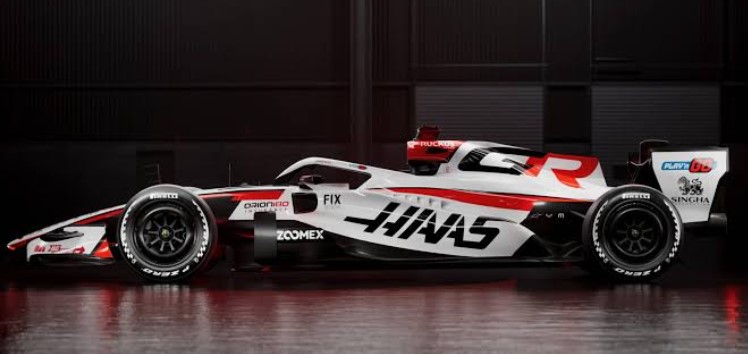

For fans following formula 1 haas racing, the story is rarely about glamour and always about momentum. Haas arrived with a clear mission: build smart, develop fast, and keep every race weekend honest. Over time, the team’s identity has become tightly linked with midfield battles, bold resource management, and steady upgrades that feel earned rather than given.
The Origins and Major Milestones of Formula 1 Haas Racing
Haas’s entry into Formula 1 was shaped by a simple premise—challenge the established order with efficiency. The team was built around a modern workflow, using partnerships and engineering discipline to move quickly from concept to car. That approach helped create an early sense of expectation, even when results remained inconsistent.
The major milestones came in clusters rather than slow, dramatic climbs. Early points finishes proved the project could survive the pressure of a full season. Then, as development routines improved, Haas became a recognizable competitor in midfield mix-ups where strategy and reliability often mattered as much as outright pace.

Creative insight matters here: Haas’s progress has often mirrored the way modern racing companies operate. Instead of chasing every technical trend, the team pursued what could be executed reliably under budget constraints. This “do the practical thing extremely well” mentality is a big part of why formula 1 haas racing has stayed relevant.
Another milestone theme has been learning under stress. When expectations rise, teams tend to overreact, but Haas’s best moments have come from controlled adjustments. That includes refining the car’s behavior over a season rather than chasing single-race miracles.
Haas Racing Cars and Technical Development
Haas cars have frequently been described as pragmatic packages, built to generate useful data and keep the weekend on track. The technical focus has often leaned toward consistency—making sure the team can improve lap after lap. When upgrades arrive, they usually aim to strengthen performance where drivers can extract confidence.
A helpful way to view technical development is through feedback loops. The best teams convert driver impressions into measurable changes, then validate them quickly in testing and race conditions. Haas’s engineering culture has generally prioritized that loop, helping the team compress the time between “what’s wrong” and “what’s better.”
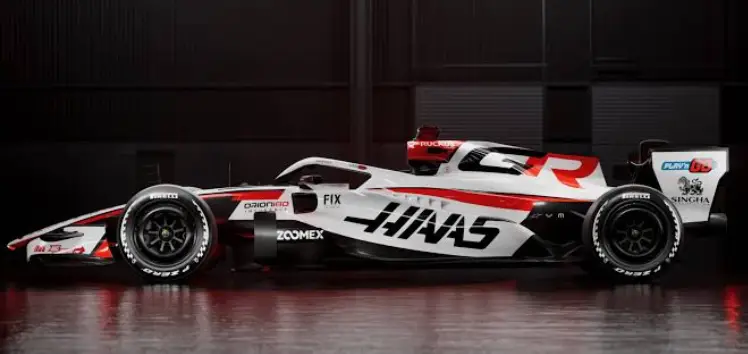
In formula 1 haas racing, technical evolution also reflects how the midfield works. Winning outright in Formula 1 requires a rare blend of speed, strategy, and clean execution. For Haas, the target has often been to outperform the cars around them, and that requires sharp calibration rather than chasing the fastest theoretical setup.
The most important technical milestones are not always headline upgrades. Sometimes the biggest step is a gearbox tweak that improves reliability, or aerodynamic refinements that broaden the workable window. Over time, Haas has shown the ability to translate such changes into tangible improvements across race weekends.
Driver skill has also shaped development priorities. When a car can be driven consistently, teams can push experimentation without losing control. That makes it easier for Haas to trial new solutions and decide quickly whether a direction is worth continuing.
Drivers, Leadership, and Important Partnerships

Drivers in formula 1 haas racing have often been tasked with more than raw performance. Midfield development demands patience, since the car may not be perfect on day one. Haas drivers have typically leaned into that role by providing clear, repeatable feedback.
Leadership decisions have mattered just as much as driver talent. Building a team capable of rapid progress requires discipline in resource allocation and staffing. Haas has often emphasized a structured approach that allows it to respond without burning budget on uncertainty.
Partnerships have provided another foundation for growth. In a sport where time and expertise are expensive, collaborations can accelerate learning and reduce technical risk. Haas’s relationships within the ecosystem have supported its ability to field competitive machinery and maintain a steady rhythm.
A creative analysis of Haas’s human side shows how culture affects performance. A team that values clear communication and fast adaptation tends to improve faster than teams that wait for “perfect” conditions. This can create the feeling that Haas is always close to a breakthrough, even when the gap to the front is larger than fans hope.
Leadership has also influenced how Haas manages long-term objectives. Instead of chasing short-term hype, the team’s best seasons have reflected a commitment to building a foundation that can handle setbacks. That kind of steadiness often defines midfield consistency more than flashy one-off pace.
Challenges in the Competitive Formula 1 Midfield
The midfield in Formula 1 is a fragile ecosystem, where small mistakes become huge outcomes. For formula 1 haas racing, the challenges have often included narrow performance margins and the volatility of race weekends. A small setup error, a tire choice that doesn’t match track evolution, or a single reliability issue can flip results quickly.
One of the toughest midfield problems is that upgrades do not always deliver linear gains. A package that looks promising in one session may underperform when conditions shift. Haas has faced seasons where the car was close in theory but harder to maximize in the real world.
Strategic pressure adds another layer. Midfield teams frequently rely on clean pit windows, sensible tire management, and smart risk-taking. Haas’s best results have usually been tied to decisions made with restraint—taking opportunities without gambling too early.
The competitiveness of the class also means drivers must perform under constraint. When the car is slightly behind the leaders, the temptation is to overdrive and lose confidence. Haas drivers have needed to stay calm and consistent, building race pace from manageable sections rather than chasing impossible gaps.
There is also the financial and regulatory reality. Budget limits shape what development can be attempted, and rules changes can force fundamental redesigns. Haas has repeatedly had to ensure that adaptation remains practical, which is not always rewarded immediately by results.
An interesting personal-style takeaway—without relying on personal storytelling—is that Haas’s identity is partly defined by how it handles these midfield pressures. Rather than being defeated by unpredictability, the team has often treated volatility as a signal. Improvements tend to come when lessons are absorbed quickly and changes are applied thoughtfully.
The Future of Formula 1 Haas Racing
The future of formula 1 haas racing will likely revolve around maintaining development discipline while expanding competitiveness. The sport is evolving through new technical directions, which means the team that adapts with speed and accuracy can gain meaningful ground. That advantage often comes from teams that build understanding faster than others.
Driver development and leadership continuity will shape what comes next. Investing in the right talent and ensuring strong communication between engineers and drivers supports faster learning. When driver feedback is precise, the technical staff can refine the car without wasting time chasing ambiguous signals.
Regulations and long-term planning add complexity. Teams must anticipate not only the next race but also the season’s direction and the next rule environment. Haas has benefited from taking pragmatic steps, so continuing that approach could help the team stay competitive as the field shifts.
Partnerships may remain a powerful tool, but they must translate into real on-track gains. Supporting technology and shared know-how can reduce risk, yet the team must still integrate it into its own car philosophy. The future will belong to teams that treat partnerships as accelerators rather than shortcuts.
Most importantly, Haas’s future credibility depends on performance consistency. Midfield success is not simply about scoring points occasionally. It is about making strong weekends repeatable, improving qualification relevance, and turning race strategy into dependable results.
A forward-looking conclusion is that formula 1 haas racing can continue to be a team that punches above its weight. As long as the engineering culture stays focused on measurable progress, Haas can remain a fixture in midfield battles and occasional surprise moments.
Conclusion
Haas’s journey in Formula 1 has been defined by efficient beginnings, meaningful technical progress, and the steady pressure of midfield competition. From early milestones to ongoing car development, the team’s identity has been shaped by practical engineering choices and clear feedback loops. Drivers, leadership, and partnerships have supported that approach, while the sport’s volatility has demanded calm decision-making under tight margins. Looking ahead, the future of formula 1 haas racing will depend on disciplined upgrade cycles, adaptability to changing regulations, and the ability to turn learning into repeatable race-day performance.
🏁 Shop The Collection
Haas x TG Racing Polo Shirt – Black Red Motorsport Team Tee
Haas Team F1 2026 Custom Polo Shirt
Haas Team F1 2026 Edition TShirt
About Us
Kozmozcyber bridges the stories and lifestyle surrounding motorsport, offering insights and community engagement beyond the race – aligning fans with the history and culture of racing.