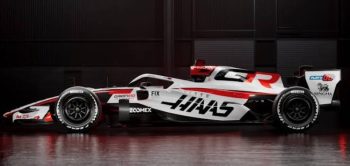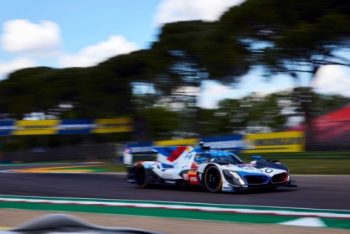
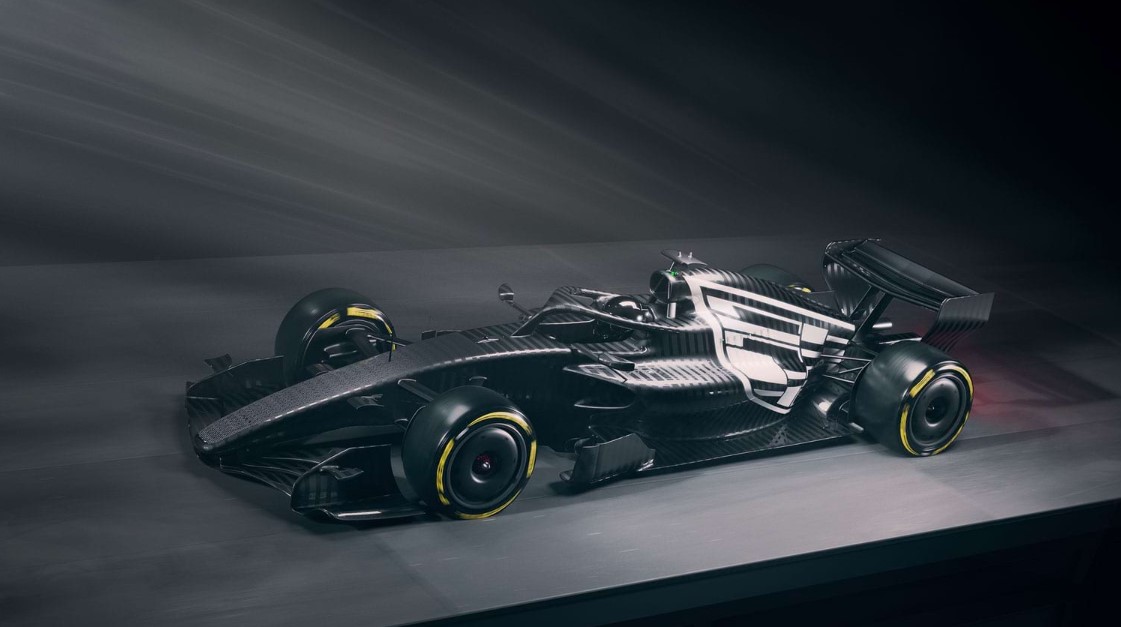

If you’ve ever wondered what it would mean to see American luxury heritage evolve into ultimate track performance, the idea of formula 1 cadillac immediately sparks imagination. And when fans say “formula 1 cadillac car,” they’re not just talking about speed-they’re pointing to a potential transformation of design, engineering culture, and motorsport ambition.
Overview of Cadillac’s Involvement in Racing

Cadillac has always carried two instincts that translate surprisingly well to high-level motorsport: a love for engineering refinement and a willingness to invest in performance identity. While the brand’s racing story is often discussed in broad strokes compared to European racing dynasties, the deeper theme is clear-Cadillac understands that motorsport is not only about winning but about proving that technology can be translated into emotion, reliability, and long-term innovation. That mindset is exactly what makes the formula 1 cadillac concept feel plausible rather than purely hypothetical.
But “plausible” doesn’t mean simple. The leap from a premium performance reputation to Formula 1 demands ruthless focus: aerodynamics at the edge of reality, power units built around efficiency and durability, and manufacturing processes that can survive constant iteration. In my view, Cadillac’s greatest advantage would be its ability to blend high-end engineering with a practical systems approach-something F1 requires every weekend, not just on paper.
Historical Milestones in Racing
Cadillac’s connection to racing can be understood as a series of experiments in capability and brand credibility. Historically, American manufacturers learned the same lessons repeatedly: horsepower matters, but consistency wins seasons, and innovation is the difference between being fast once and being fast forever. Early racing ventures-whether in local circuits, endurance events, or prototype efforts-offered a proving ground for engineering that had to be dependable under extreme loads. Even when the brand wasn’t dominating globally the way some rivals did, the experience helped shape internal confidence and technical maturity.
One of the key moments in automotive racing history for brands like Cadillac is the moment they realized racing is a laboratory, not a marketing campaign. Engineers can validate materials, cooling strategies, suspension geometry, and production-level tolerances in a way that road testing can’t match. That’s significant because Formula 1 punishes weak links: a minor aerodynamic inefficiency becomes costly at 300 km/h, a slightly underdeveloped component becomes a retirement, and a concept that fails in CFD often fails worse on track. The significance of performance and innovation, therefore, is not about bragging rights-it’s about building an engineering culture that understands failure modes and learns fast.
The most important insight here is that motorsport history isn’t only about trophies. It’s about learning how to build systems under pressure. If Cadillac were to fully commit to Formula 1 with the formula 1 cadillac car idea, those historical lessons would be the foundation-an internal “muscle memory” for iterative engineering, testing discipline, and performance validation.
Cadillac’s Commitment to Formula Racing
When people talk about Cadillac in Formula 1, they often jump immediately to drivers, glamour, and branding. Yet the real question is strategic: why Formula 1, and why now? The answer, in my opinion, would be tied to technology alignment. Formula 1 is essentially a set of engineering constraints designed to push innovation in combustion efficiency, hybrid energy management, aerodynamics, and safety systems. Cadillac’s commitment would likely come from seeing F1 as a brand accelerator for advanced engineering-one that could strengthen long-term product technology rather than remain a short-term spectacle.
Strategically, entering F1 would mean more than acquiring a car and showing up. It would require decisions that reflect patience and persistence: recruiting top-tier aerodynamic talent, investing in simulator time, building a supply chain for high-performance components, and committing to rigorous testing cycles. Cadillac would need a vision that goes beyond “being competitive this year.” The role of technology and engineering would need to be treated as an ecosystem-wind tunnel time, computational modeling, materials science, and powertrain calibration all working in sync. Cadillac’s vision and goals in the motorsport world would likely focus on learning curves that translate into technical credibility, even while racing results develop over seasons.
Another dimension is motorsport’s relationship with corporate identity. Cadillac is premium; Formula 1 is extreme. The strategic decision would be to keep the brand’s identity while embracing F1’s brutal pace of development. That balance-maintaining design philosophy while optimizing performance and energy use-is exactly the kind of creative tension that could define a formula 1 cadillac project.
Finally, there’s the human side. Formula racing is a constant loop of feedback: drivers report feel, engineers interpret logs, strategy adjusts on the fly, and the team changes the car accordingly. If Cadillac’s leadership culture already emphasizes craftsmanship and cross-disciplinary collaboration, it could mesh effectively with the multi-layer demands of F1. The formula 1 cadillac car would not be a single breakthrough; it would be a living system shaped by relentless refinement.
Development of the Formula 1 Cadillac Car
Designing a formula 1 cadillac car is best imagined as a process rather than a revelation. First come the design principles-what does the car “prioritize”? For F1, that usually means traction and aero efficiency, predictable behavior under braking, and stability at high speed. Then comes engineering execution: materials selection, cooling routing, packaging, and the careful choreography of parts that must fit within tight regulations while still offering performance advantage.
A key part of development would be collaboration. F1 is not a solitary sport; it’s an ecosystem of expertise. Cadillac would likely need partnerships with established teams, technology partners, and component suppliers that already understand the intricacies of compliance testing and race-weekend reliability. In my view, this is where Cadillac could move faster than expected-not by copying what exists, but by learning how others build repeatability. In F1, repeatability is performance. When the design is correct, the team can iterate without introducing chaotic variables.
Innovations in aerodynamics, powertrains, and safety would be central. Aerodynamics would likely focus on efficient front and rear downforce generation with minimal drag. The tricky part is not just producing downforce—it’s ensuring that the downforce remains effective across varying temperatures, tire conditions, and fuel loads. Powertrain development would need a balance between peak output and energy management strategies, especially with hybrid deployment requirements. Safety would have to be addressed with the same intensity: survival cells, impact absorption design, driver ergonomics, and system redundancy.
Personally, I’d expect the Cadillac development approach to emphasize “cohesive engineering”-the sense that everything works together rather than being optimized in isolation. That’s a luxury-brand strength, and it’s a competitive advantage in F1 when executed with the right data discipline.
Technical Specifications of the Formula 1 Cadillac Car
The technical side of a formula 1 cadillac car is where the dream meets reality. Formula 1 specifications aren’t simply numbers-they’re relationships. Engine power relates to gearbox durability; aerodynamics relates to brake temperatures; suspension geometry relates to tire performance and ride stability. To understand Cadillac’s potential in this environment, we should think in terms of system-level design rather than isolated component obsession.
In other words, the “specs” would be the output of engineering decisions and tradeoffs. If Cadillac pursued F1 with seriousness, the car would be built around a philosophy: maximize usable performance per unit of time, energy, and reliability margin. That philosophy is what could turn “Cadillac racing” into a technical identity.
Engine Performance and Capabilities
An engine for the formula 1 cadillac car would likely be structured around modern F1 constraints: high-rev efficiency, hybrid integration, and durability under relentless race conditions. While the specifics would depend on the final regulatory direction and team strategy, the design principles would center on smoothness, thermal stability, and predictable throttle response. In my view, Cadillac’s engineering culture could excel here because the brand is historically associated with refined performance—meaning it tends to care about drivability, not only maximum power.
Power output in Formula 1 is a function of both the combustion unit and hybrid energy harvesting and deployment. Efficiency matters because it determines how much power you can deploy when you need it, and how much you can deploy without harming reliability. A Cadillac-focused program would likely emphasize not just peak performance but the ability to repeat performance session after session. Reliability factors would include component lifespan, cooling performance, and robustness of control systems.
Comparative analysis with rival teams’ power units would become a story of margins. Many fans assume that if you have a strong engine, you win. In reality, the winning margin comes from integration: how the power unit interacts with aerodynamics, how engine mapping affects traction behavior, and how the team leverages hybrid power deployment without overheating the system. The best teams don’t always have the loudest engines-they have the best “overall package.”
So if Cadillac entered F1 with a formula 1 cadillac vision, the engine effort would be about consistent performance under pressure. That means selecting design tradeoffs that reduce variability. In F1, predictability is a competitive advantage.
Chassis and Aerodynamics
For a formula 1 cadillac car, the chassis would be engineered for stiffness where it matters and compliance where it helps tire contact. Formula 1 cars live and die by balance: not just straight-line speed, but behavior in corner entry, mid-corner stability, and exit traction. Chassis design would likely incorporate advanced carbon composites and careful layup strategies to manage torsional response. Cadillac engineers-if guided by a “precision craftsmanship” mindset—would likely prioritize consistent structural behavior across car temperatures and fuel loads.
Aerodynamic enhancements would aim to maximize downforce efficiency. The key is the relationship between downforce and drag: downforce that costs too much drag erodes lap time, especially on mixed circuits. The front wing, floor design, bargeboards, and rear wing configuration would be optimized using data from CFD and wind tunnel testing. But here’s the personal insight: in F1, aerodynamics is also about predictability. A car that generates peak downforce but becomes unstable at the tire’s grip window can lose more time than it gains.
Weight distribution would play a role in handling feel and tire wear. While F1 regulations impose constraints, teams can still influence mass placement and component packaging. That matters because braking stability and turn-in response are sensitive to the center of gravity and polar moment. A Cadillac program could emphasize driver confidence-if the car behaves consistently, the driver can push harder with less mental compensation.
Ultimately, chassis and aero are inseparable. The formula 1 cadillac car would need aerodynamic efficiency that matches its mechanical grip and thermal characteristics, so that the car remains fast not only on paper but on every lap, in every weather scenario.
Integration of Advanced Technologies
Integration is where a formula 1 cadillac car could become more than “another new F1 entry.” Hybrid technologies are core to the current era of F1. That means energy harvesting, energy storage, and energy deployment strategies must be calibrated for race pace rather than qualifying heroics only. For Cadillac, the opportunity would be to create an energy management philosophy that matches driver style and tire behavior. If the team learns quickly, it could reduce energy-related surprises like overheating or unexpected traction loss after energy deployment.
Data analytics and telemetry would be central to performance optimization. F1 teams generate mountains of data-temperatures, pressures, suspension positions, airflow estimates, engine parameters, and driver inputs. The challenge is transforming data into decisions faster than rivals. A Cadillac program could potentially leverage strong organizational discipline to build decision pipelines: what to change, how to validate it, and when to trust the change enough to race it.
Innovations in tire and suspension systems would also be critical. Tire management is a form of race strategy executed physically through suspension geometry, damping characteristics, and aerodynamic setup. Suspension tuning affects how load transfers across the tire contact patch. That influences wear rate, grip evolution, and ultimately lap time consistency. If Cadillac were building a formula 1 cadillac car with ambition, it would focus on creating a stable platform for tires to “tell the truth.” When the tire data and behavior are consistent, engineers can optimize faster.
I’d also expect advanced integration to include robust simulation workflows and feedback loops. The best teams don’t just test more-they learn better. If Cadillac could combine rigorous analysis with a collaborative culture, the tech integration could become one of the brand’s most convincing contributions to the F1 ecosystem.
The Future of Cadillac in Formula 1
The future of Cadillac in Formula 1 depends on both competitiveness and credibility. Racing is a feedback loop: performance attracts confidence, confidence attracts talent and partners, and partnerships enable better resources. But the early years of any F1 entry can be brutal, and patience is not optional. If Cadillac pursues the formula 1 cadillac dream seriously, the next chapter would be shaped by how they manage expectations, build technical depth, and withstand the sport’s early learning pain.
In my opinion, the most interesting part isn’t whether Cadillac can build a fast car—it’s how they can sustain development and build a long-term engineering culture that produces incremental performance gains. Formula 1 rewards continuous improvement, not occasional brilliance.
Upcoming Challenges and Opportunities
The anticipated competitive landscape is intense: established teams have infrastructure, relationships, and lessons embedded into their processes. Cadillac would face the challenge of catching up in aerodynamics efficiency, power unit refinement, and race strategy execution. But there are opportunities, too. F1 is a sport in constant evolution, and regulatory transitions can level the field for teams willing to attack from multiple angles.
Market trends could also shape Cadillac’s approach. The premium automotive world is shifting toward electrification, software-defined vehicles, and sustainability messaging. Formula 1 increasingly reflects those themes through hybrid power and energy efficiency. So Cadillac’s strategies for sustaining performance and growth could align with brand messaging-using F1 as a technology showcase that supports consumer confidence in advanced engineering.
Potential partnerships and collaborations in the F1 sphere could become a strategic lever. If Cadillac works with experienced engineering groups, component suppliers with deep motorsport heritage, and data-focused technology partners, it could compress learning timelines. Partnerships can accelerate capability, but they also require careful integration so the car doesn’t become a patchwork of philosophies. The goal would be unified engineering direction, not just borrowed expertise.
One challenge that often gets underestimated is operational tempo. F1 is schedule-heavy: build cycles, upgrades, simulator learning, and race-weekend logistics. A Cadillac program would need a resilient operational system to avoid performance gaps caused by delays or miscommunication. Yet opportunity exists there as well-Cadillac could design a modern operations model using streamlined decision-making and strong project governance.
In short, the path for a formula 1 cadillac car future is demanding, but the upside is large if Cadillac builds credibility quickly through intelligent development and stable execution.
Long-term Vision and Impact
The long-term vision for Cadillac in Formula 1 would likely be framed around influence rather than instant dominance. Cadillac’s influence on the future of motorsport could show up through engineering choices that prioritize efficiency, reliability, and measurable performance gains. In a sport that sometimes celebrates peak speed more than consistency, Cadillac could differentiate by building “race-proof” technologies-systems that work repeatedly across seasons.
The implications for brand image would be significant. Cadillac is associated with comfort and prestige, while F1 is associated with extremes. The transition could reshape public perception if done thoughtfully. Fans might start associating Cadillac with innovation, performance culture, and technical seriousness. That’s a powerful brand story-especially if the team communicates how F1 learnings contribute to road-relevant technologies.
Sustainability and technological advancement would also matter. Formula 1 is not simply about making faster engines; it’s about developing energy management and engineering efficiency under real constraints. Cadillac’s commitment to sustainability and advanced technology could become a key narrative-demonstrating that high performance and responsibility can coexist.
From a personal standpoint, I believe the most compelling long-term impact would be cultural. If Cadillac establishes a disciplined engineering identity in F1-prioritizing data-driven improvement, driver feedback loops, and reliable development practices-then the team could become a respected competitor even if it doesn’t win instantly. Over time, respect turns into results.
Ultimately, Cadillac’s long-term presence could help the sport broaden its appeal. A formula 1 cadillac story would attract new audiences, sponsor categories, and engineering interest from outside traditional F1 strongholds-exactly what motorsport needs to stay dynamic.
Conclusion
A formula 1 cadillac campaign-centered on the idea of a formula 1 cadillac car built with modern hybrid integration, aerodynamic efficiency, and a disciplined engineering culture-would represent more than brand expansion: it would be a transformation of Cadillac’s performance DNA into a rigorous, data-driven racing system. From historical lessons about innovation to the technical reality of engines, chassis dynamics, and technology integration, the journey would hinge on repeatability, learning speed, and operational excellence. If Cadillac can align strategy with long-term development-while embracing the sustainability and advancement themes already shaping Formula 1-their presence could leave an enduring mark on motorsport and on how a premium automotive brand defines speed, safety, and future technology.
🏁 Shop The Collection
Cadillac Racing Polo Shirt 2023 Cadillac Racing IMSA WEC
Cadilla Silverstone 2026 British GP Custom Polo Shirt
About Us
Kozmozcyber bridges the stories and lifestyle surrounding motorsport, offering insights and community engagement beyond the race – aligning fans with the history and culture of racing.