
Understanding the Duration of Formula 1 Races
Official Race Distance and Time Limitations
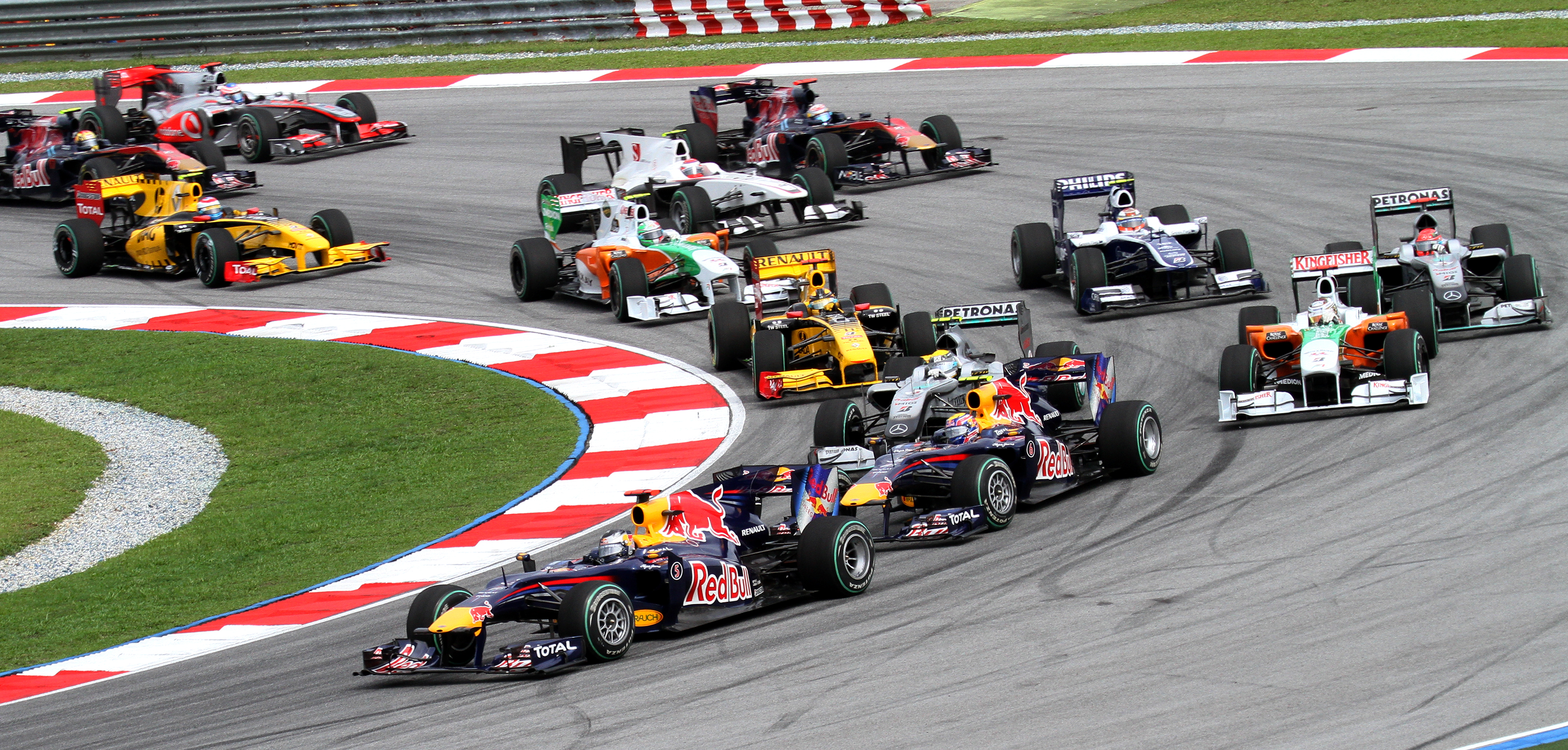
F1 races are governed by a combination of planned race distance and a maximum time ceiling. The official race distance is tied to the number of laps required to complete a prescribed target race time and an equivalent distance-though the sport expresses it through regulations for race distance that connect back to circuit length. In everyday terms, most modern Grand Prix races aim for roughly a couple of hours of racing, often landing near the well-known “around 90–120 minutes” window. There’s also a maximum duration rule that prevents races from stretching indefinitely. If the time limit is reached before the planned distance is completed, the race can be concluded based on the regulations. This is important because it keeps the broadcast schedule stable and ensures that track logistics—like post-race procedures-can run smoothly. However, the actual race duration doesn’t exist in a vacuum. Weather and safety conditions can stretch things out, even when teams are prepared for a clean, uninterrupted run. A sudden downpour can slow the field enough to change how laps unfold; a dangerous incident can trigger more cautious racing; and all of that affects the clock as much as it affects pace.Factors Influencing Race Duration
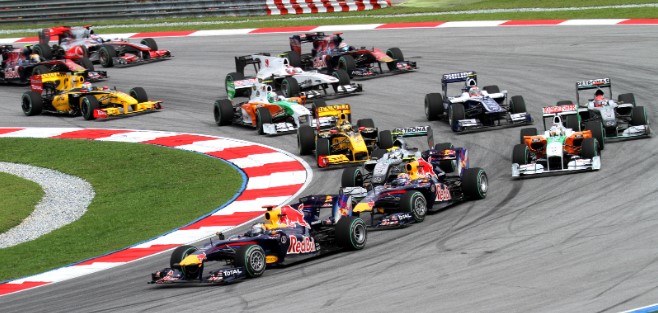
The most obvious factor is the number of laps and the circuit length, because more laps generally means more opportunity for variation. A shorter circuit can produce a higher lap count, while a longer circuit may produce fewer laps-but each lap is more “expensive” in time and effort. Either way, you’re ultimately dealing with the relationship between distance, speed, and how quickly the race rhythm settles after the opening exchanges. From a personal perspective, I’ve noticed that early laps set the tone for the rest of the event. If the opening stint is relatively calm, the race often stabilizes into a strategic pattern where pit stops and tire management unfold predictably. But if there are early disruptions-like a collision during overtaking-then the event’s timeline becomes less about planned strategy and more about responding to interruptions. Track conditions and weather impacts are another major variable. Rain changes braking zones, tire life, visibility, and grip distribution. That can slow cars dramatically, especially before drivers and engineers find the optimal operating window. Wet races can also increase the chance of additional safety interventions, which compounds the time. On top of that, safety car deployments and red flags can dramatically alter the flow. A safety car compresses the field, changes overtaking patterns, and resets pit stop timing. A red flag stops the race entirely-sometimes for long periods if conditions are unsafe-turning “two hours” into something longer that may surprise first-time viewers searching how long does an f1 race last. Pit stops also play a strategic role in how long the race feels, even if they don’t directly “add time” in a simple linear way. Pit stops involve controlled slowdown periods, pit lane speed limits, and scheduled tire changes-each of which influences the pace of the event. While the race clock is running, the sequence of pit stops can create bursts of activity that fans experience as momentum shifts rather than just elapsed time.Comparison with Other Motorsports
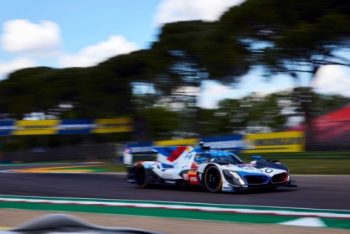
When people compare F1 to other motorsports, it’s often because they want a clearer mental model. Endurance racing, for example, is designed around time-in-the-moment rather than “finish when the clock says so.” Races like the 6 Hours of Spa or the 24 Hours of Le Mans are explicitly built around duration, so “how long” is part of the event identity. In contrast, F1 is technically distance- and time-bounded, but the sport’s structure still creates that “roughly two hours” feeling for many races. Endurance races emphasize car durability, driver rotation, and consistency over long periods-while F1 emphasizes sprint-like intensity mixed with careful pit strategy and tire management over a shorter event. Other series also have formats that can shift the viewer experience. Some motorsports run with fixed race windows that can include multiple stages, extended cautions, or split races. These formats can lead to more predictable schedules, or sometimes to even more unpredictability, depending on the rules around interruptions. What I find interesting is how format directly affects spectator engagement. F1’s shorter horizon means every overtake attempt and tire decision feels more consequential in real time. Fans tend to stay locked in because the race is not “background” for hours-it’s a concentrated showdown where momentum can swing quickly. Meanwhile, endurance racing can create a different kind of suspense: slower-building drama that often feels more strategic and atmospheric.Historical Context
Over the decades, race durations and race-day rhythms have changed. Early Formula 1 events were structured differently, and the technology of the era-tire durability, fuel strategies, and reliability—affected how quickly teams could complete a race distance. As safety standards evolved and regulations matured, race control’s authority and the way incidents are handled also changed over time. Another factor is that the sport’s modern approach to strategy and tire behavior has evolved. Today, teams plan for pit stop windows with sophisticated forecasting, and race engineers constantly adjust the plan based on how the race unfolds. That sophistication can make the race feel like it has layers, even though the official time frame often remains in that familiar two-hour range. Notable races sometimes deviate significantly from the “typical” duration. Races influenced by heavy weather, unusual safety interventions, or extended red-flag delays remind fans that F1 isn’t a stopwatch sport. A dramatic incident can extend the total calendar time even if it doesn’t always extend racing laps proportionally. I also think it’s worth considering how regulations influence audience expectations. As rules around safety cars, race restarts, and maximum time limits have tightened, fans can trust that races will not become indefinitely long. Yet the unpredictability remains, because the track is where variables collide: drivers, machines, weather, and risk all intersect.The Experience of Spectators
For spectators, race duration isn’t just an abstract number-it shapes the entire day. If you’re watching live, you’re timing travel, finding seats, grabbing food, and building anticipation. Then, once the race begins, the elapsed time becomes part of the emotional arc: the early sprint to position, the mid-race strategic chess game, and the final tension where gaps shrink and errors become costly. This is where how long does an f1 race last becomes more than curiosity. It helps fans plan everything from when to arrive to when to expect the fireworks. Longer-than-expected races can shift post-race traffic, cause schedule conflicts for families, or change how you experience support events around the Grand Prix. If you attend in person, timing strategies matter. For example, fans who arrive too late may miss the most chaotic early moments, where position battles and opening tire choices often set the race’s direction. On the other hand, arriving too early without a plan can make the day feel slow. The sweet spot depends on local event schedules, but personally, I’ve learned that having a rough timeline makes the experience smoother—especially when weather changes. The pre-race and post-race activities also influence how “long” the Grand Prix feels overall. Even if the race itself is within a standard window, the surrounding structure-paddock walks, national anthems, driver parades, interviews, and podium ceremonies-adds meaningful time. That’s why some fans report that attending an F1 weekend can feel like a full-day event, even though the racing portion is relatively concise compared to endurance events.Conclusion
🏁 Shop The Collection
Fer F1 Team 2026 Edition Custom Polo Shirt
Buy Now Audi F1 2026 Team Special Miami Collection Racing Custom Polo Shirt Buy NowRBR F1 American Flag Custom Polo Shirt
Buy Now