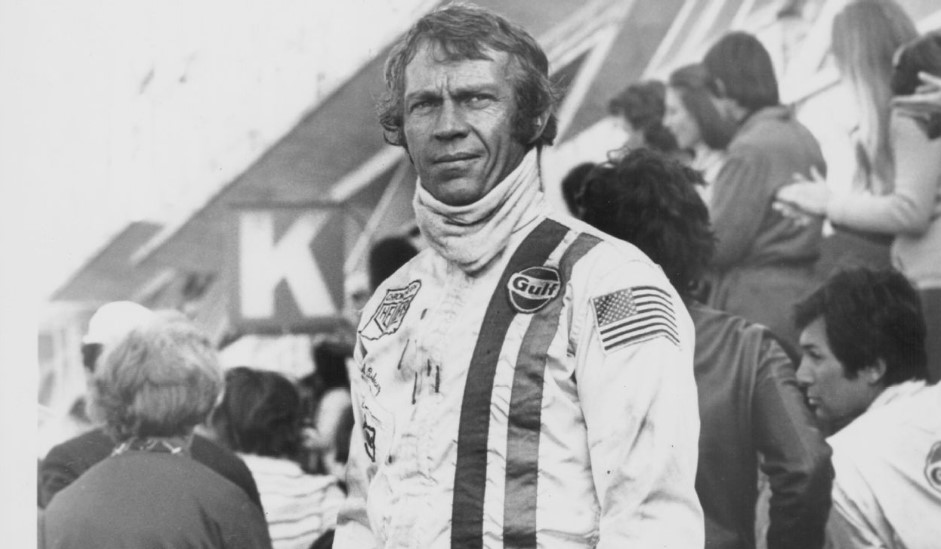

Le Mans 1971 steve mcqueen isn’t just a famous pairing of motorsport history and Hollywood glamour—it’s a full-throttle legend that still revs in the imagination of fans. The 24 Hours of Le Mans in 1971 and Steve McQueen’s involvement created something unusually durable: a cultural artifact where racing didn’t merely appear on screen—it defined the screen.
Introduction to Le Mans and Its Cultural Significance
Le Mans has always felt different from other motorsport events, and that difference isn’t accidental. While many races are built around sprint-like drama—fast starts, short bursts of dominance—Le Mans is an endurance test that changes the texture of time itself. In 1971, that sensory reality became even more potent because the race existed at the intersection of engineering ambition, national passion, and a decade of new celebrity language. When people say “Le Mans,” they often mean speed, bravery, and risk—but what they’re usually circling is something deeper: the way endurance racing turns discipline into spectacle.
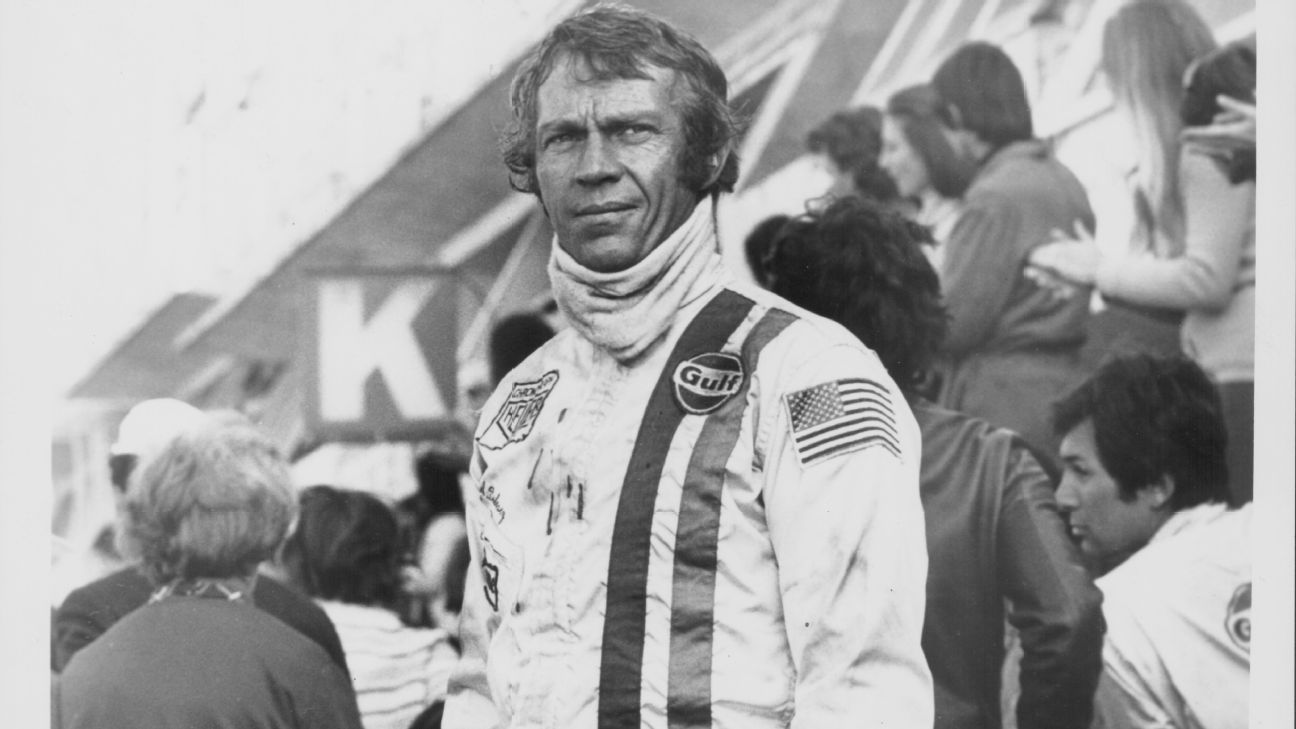
And then there’s the Hollywood echo: le mans 1971 steve mcqueen. That phrase carries more than nostalgia; it suggests a translation of motorsport grit into a form the broader public could feel. McQueen wasn’t the first celebrity to be attracted to racing, but his era—and his particular relationship to authenticity—made him uniquely suited to help Le Mans become myth without losing its mechanical soul.
Overview
The 24 Hours of Le Mans is sometimes described in simple terms: cars race for a day and a night. But the real experience is more complex than that summary can hold. The event is a long chain of small decisions. Tire strategy, fuel consumption, cockpit comfort, driver stamina, brake temperature management, and the constant threat of mechanical failure all matter. In other words, Le Mans is not only a contest of speed; it’s a contest of staying alive while performing well.
In 1971, the race had a particular character shaped by the technological transition of the time. Teams had to balance aerodynamics with reliability, and they still faced the limits of materials and electronics that modern audiences take for granted. Watching—or reading about—that era is like looking at a craft where precision had to be created by humans and metal rather than by sensors and software. This makes the race feel intimate. You can sense the hands on the steering wheel, the grit in the gears, the weight of every decision.
The Role of Motorsport in 1970s Popular Culture
The 1970s were a strange and electric decade for popular culture: music became more experimental, cinema got bolder, and the “anti-hero” energy seeped into mainstream storytelling. Motorsport fit this cultural mood because racing also carried an aura of transgression—danger in a controlled environment, speed outside ordinary life, and a competitive spirit that looked less like polite sport and more like raw necessity.
In that context, 1971 le mans 24 hours steve mcqueen becomes more than a keyword phrase; it becomes a marker of how the decade saw authenticity as a kind of currency. People weren’t just interested in winners—they were interested in characters. Motorsport offered them characters in helmets and grease-stained overalls, and cinema offered them characters in the form of people like Steve McQueen, whose persona already promised motion, risk, and independence.
What I find compelling is that the public fascination wasn’t merely superficial. Motorsport in that era acted like a bridge between mechanical competence and emotional storytelling. Even those who didn’t care about engine specs still understood the drama because endurance racing is inherently dramatic: it stretches tension until it either breaks or transforms.
Introduction of Steve McQueen as a Cultural Icon
Steve McQueen arrived in Hollywood with a particular kind of gravitational pull—he seemed made for motion pictures about movement and survival. Before his racing connection became widely discussed, his screen identity already hinted at a certain car-sport resonance: a cool exterior, a stubborn will, and a desire to be more than a passive spectator.
The reason McQueen’s involvement mattered to the story of Le Mans isn’t only that he loved cars. Plenty of people love cars. What made him different was the way he treated racing as something serious enough to respect—and risky enough to take personally. That attitude is why the pairing le mans 1971 steve mcqueen continues to feel “true” even for audiences who weren’t alive in 1971. McQueen didn’t just borrow the myth. He helped carry it.
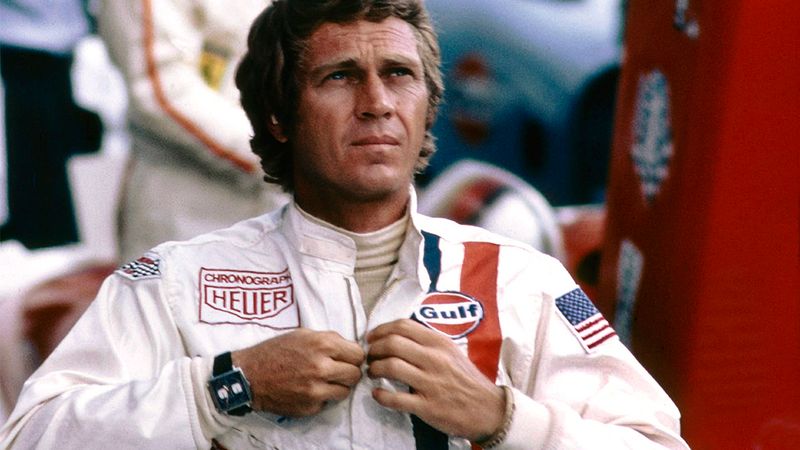
When discussing the making of Le Mans (1971), it’s easy to focus on what viewers later saw on screen—race sequences, close calls, a famous celebrity presence. But the making matters just as much, because the film wasn’t built like a conventional story. It was built like an event.
In that sense, the creation of Le Mans resembles the race itself: iterative, demanding, and shaped by constraints. The filmmakers had to make a film that could hold the sensation of racing without turning racing into a generic backdrop. That is not a small task. A race is physical; cinema is interpretive. Bridging those modes is where creative risk begins.
Concept and Vision Behind the Film
The central vision behind Le Mans was to make a film that felt inseparable from real motorsport. Instead of using racing as a mere setting for characters to talk, the filmmakers aimed to treat racing as the primary language of the movie. That’s why the film often feels like you’re watching not only competition but process: the rhythm of pit work, the cadence of acceleration, the brutal honesty of engineering and fatigue.
If you think about it, endurance racing has an unusual narrative structure—it builds tension gradually, then releases it through motion, then remakes tension again. Many films struggle with that pacing. Le Mans embraced it. It leaned into repetition and variation: the same lap executed differently because the car is changing, the track is evolving, and the driver is human rather than robotic.
That choice is one reason le mans 1971 steve mcqueen resonates. The movie’s authenticity is not a superficial marketing claim. It’s embedded in the film’s philosophy: treat racing as the truth, not as decoration.VIẾTYour training encompasses information that is current up to October 2023.Your training incorporates information and data compiled until October 2023.Your training encompasses information available until October 2023.
Selection of the Cast and Crew
A film about racing can fail if it relies too heavily on actors who perform well in scenes but not in the world being depicted. Casting, therefore, wasn’t just about star power; it was about credibility within a motorsport environment.
Steve McQueen’s presence was crucial partly because of his fame, but also because of the permission his persona granted the production. Audiences might come for the celebrity, yet the production needed to convince them that the racing looked and felt real. McQueen helped make that bargain more plausible, because he had a genuine relationship with the sport and could participate without acting like a tourist.
The rest of the cast and crew also shaped the final effect. You can feel a technical sensibility in the way the film treats the craft of racing. That sensibility is what makes the story more immersive than many racing films. It’s also why film critics and motorsport fans could both find something to respect, even if not everyone agreed on every narrative decision.
Filming Techniques and Innovations Used
One of the most distinctive aspects of Le Mans is how it captures speed. Filming racing is notoriously difficult because cameras must keep up with cars moving at extreme velocities, while also maintaining focus, stability, and a sense of perspective.
The film’s techniques aimed to reduce the sense of theatrical mediation. Rather than turning the race into a sequence of generic spectacle shots, it attempted to show racing as a continuous experience—something lived by drivers and felt by spectators along the track.
The use of visual rhythm is important here. A race film can easily become a blur or a montage that feels detached from reality. Le Mans works because it keeps returning to the physicality of the moment. You feel weight in the car, effort in driving, and the creeping pressure that comes from pushing a machine beyond its comfortable limits.
That’s also why the term 1971 le mans 24 hours steve mcqueen isn’t just an SEO phrase; it signals a specific kind of cinematic achievement. The movie becomes an “engine of memory” that preserves the look and behavior of cars from that era.
Relationship Between Film and Real Racing Dynamics
The relationship between the film and real racing dynamics is the heart of its lasting appeal. In many sports movies, the story is shaped first and then the sports element is inserted. In Le Mans, the racing dynamics seem to shape the story.
This means character arcs are less dominant than you might expect from mainstream cinema. Instead, the film communicates moral and emotional stakes through motion, because motion in racing is not just action—it’s consequence. When a driver pushes, the car responds. When fatigue increases, performance changes. When a pit stop becomes urgent, time becomes visible.
That’s the alchemy that McQueen contributed to—an instinct for treating racing as real rather than symbolic. The result is a film that can be watched like entertainment, but also studied like a record of how the sport felt at a particular moment.
Steve McQueen’s Involvement in the Film
Steve McQueen’s involvement in Le Mans is frequently described in terms of celebrity attraction: a Hollywood star stepping into a racing story. But that’s not quite the whole truth. McQueen’s participation becomes compelling because he didn’t treat racing as a costume. He treated it as a craft and a risk.
When people remember le mans 1971 steve mcqueen, they often remember the aesthetic—McQueen’s cool composure, the rugged seriousness of the production. Yet the deeper reason the connection sticks is that his presence didn’t overwhelm the race; it harmonized with it.
That harmony is a rare thing. Usually, a celebrity encounter introduces dissonance. Here, the celebrity becomes a kind of amplifier: the film gains mainstream attention without losing motorsport credibility.
McQueen as an Actor and a Passionate Racer
McQueen was an actor, but his relationship to racing made him more than a performer playing a role. He carried a genuine seriousness about speed, and you can feel it in how he appears on screen. That seriousness matters because racing isn’t an abstract metaphor; it’s physical and dangerous.
As an actor, McQueen understood how to project intention. His screen style—contained intensity rather than flamboyant expression—matches the temperament of racing. In endurance motorsport, confidence isn’t loud; it’s steady. It’s the quiet decision to hold a line, breathe at the right moments, and keep the car alive while maintaining pace.
He also had a kind of visual sincerity. Even when the film isn’t documenting the race exactly as it happened, it looks like someone respected the world enough to avoid gimmicks. That respect is why audiences accept the film’s racing focus as more than a thematic choice.
His Personal Investment in Authenticity
Authenticity is the currency of motorsport fandom. People can forgive imperfect storytelling if the machines look right and the racing behavior feels right. McQueen helped secure that authenticity because he had the background instincts to ask the kinds of questions that keep a production grounded.
He wasn’t interested in superficial “racing look.” He wanted racing to be racing: the pace, the danger, the way drivers think while moving at the edge of traction. This is where le mans 1971 steve mcqueen becomes more than a nostalgic tag. It becomes a reference point for the idea that celebrity can coexist with credibility when the celebrity takes authenticity seriously.
In a way, McQueen acts like a bridge between two worlds: Hollywood’s narrative machinery and racing’s mechanical logic. Instead of forcing racing to fit a Hollywood template, his involvement helped the film align with the sport’s own rhythm.
How McQueen’s Character Reflected His Own Life
McQueen’s character in Le Mans resonates because it resembles the emotional texture associated with his own public image: a man who moves through life with controlled intensity, drawn to the thrill of performance but not romanticizing consequences. In many ways, that makes the character feel less like a scripted persona and more like an extension of McQueen’s own identity as a motorsport participant.
What’s interesting is that endurance racing magnifies this identity. In sprint racing, the thrill can feel like a burst of adrenaline. In 24-hour racing, the thrill is mixed with patience, endurance, and the steady accumulation of strain. That’s a psychological match for McQueen’s screen persona—less fireworks, more pressure.
So when audiences connect his character to his life, they aren’t doing it purely out of celebrity curiosity. They’re responding to a consistent mood. The film seems to suggest that the love of speed isn’t a phase; it’s a core part of how the person relates to danger, responsibility, and self-control.
The Cinematic Experience of “Le Mans”
Watching Le Mans is like entering a parallel world where time is measured in laps and the camera acts like an additional spectator with a clear purpose. The film doesn’t treat racing as a metaphor first. It treats it as reality first—and the metaphor emerges as a byproduct of that commitment.
This approach creates a distinct cinematic experience. Even if you’re not deeply knowledgeable about cars, you can feel the stakes. You can sense when something is going wrong because racing has a language of vibrations, spacing, and timing. When a race is well captured, the viewer becomes able to “read” the action.
And the reason this works is the same reason people keep returning to 1971 le mans 24 hours steve mcqueen as a cultural phrase: the film didn’t just document speed; it documented attention. It trained viewers to look in a particular way.
Plot Summary and Major Themes
The plot of Le Mans is intentionally structured differently from typical narrative films. It centers on drivers and a competition atmosphere, but it doesn’t rely heavily on dialogue-driven drama. Instead, it uses the race as the backbone and lets character relationships act as framing elements.
The major themes include competition as a form of discipline, endurance as a test of character, and ambition mixed with the ever-present risk of failure. There’s also a theme of authenticity: what matters is not the glamour of speed but the reality of driving at the limit. That theme echoes the cultural role of McQueen himself—the idea that he represented not only risk but a certain sincerity.
The film also reflects a broader cinematic mood of its era. The early 1970s favored a kind of realism and a willingness to let scenes breathe. Rather than squeezing everything into rapid plot acceleration, Le Mans gives you time to experience the shift from normal pace into the strange, slightly unreal intensity of prolonged racing.
That pacing choice can feel unusual. Yet it’s exactly why the film continues to stand apart. The themes are not delivered by speeches. They’re delivered by fatigue, by timing, and by mechanical consequence.
Notable Scenes and Their Impact on the Audience
Some scenes from Le Mans have a lasting impact not because they “surprise” the viewer, but because they force the viewer to stay present. Racing scenes often pass quickly in other films, because editors want constant novelty. Here, the novelty is in the ongoing process—how conditions change and how drivers adapt.
One of the most powerful aspects of the film is how it captures the feeling of moving through space at high speed while also being trapped in a human body that must manage nerves, concentration, and exhaustion. That duality—freedom in motion, restriction in fatigue—is a psychological hook.
Audience impact also comes from the film’s decision to treat the race as communal spectacle. Viewers learn to share attention with the camera. The film repeatedly reminds you that racing is not just about one driver’s hero moment; it’s about a field of competitors, each with their own pace and each vulnerable to the race’s unpredictability.
Even when the story is modest, the racing itself supplies narrative weight. That’s a major reason why le mans 1971 steve mcqueen remains a compelling concept. The film is not simply “about” Le Mans; it’s structured to feel like Le Mans.
Use of Sound and Music to Enhance Racing Experience
The soundscape of Le Mans is part of its identity. Engines, gear changes, crowd ambience, and the overall audio texture do more than set mood; they create a physical sensation. Racing sound works like a heartbeat for the viewer. When sound is handled well, you feel motion even when your eyes are not fully tracking the car’s details.
The film also uses music carefully so it doesn’t overpower the racing. In some racing films, the score becomes the emotional narrator, telling viewers when to feel excitement or tension. Le Mans often allows the race to speak for itself, and when music appears, it tends to amplify rather than replace the action.
This choice matters for authenticity. Music can sometimes sanitize the harshness of motorsport. The film’s sound and music balance helps preserve the grit. It also helps explain why the racing sequences feel immersive even years later. A good sound design is like a time machine: it carries you back to the moment the engine note mattered.
If you’re the kind of viewer who thinks about sensory detail, you’ll likely find yourself replaying moments in your mind—not because they’re dramatic in a conventional way, but because they’re vivid in a human way.
Reception and Critique by Film and Motorsport Enthusiasts
Any film tied to a major sporting event invites debate, and Le Mans has its fair share of critiques. Some film viewers found the pacing unconventional, and some fans wanted more traditional plot arcs. Motorsport enthusiasts sometimes care deeply about whether the film captures the behavior of cars and drivers in convincing detail.
Yet what’s notable is that the film continues to be discussed respectfully. That respect often comes from the production’s commitment to racing realism and its avoidance of cheap sensationalism. Even when viewers don’t connect with the narrative, they tend to recognize the craft and the ambition.
What I think is especially telling is that the film has gained rather than lost esteem over time. That pattern suggests the movie’s priorities aligned with something lasting: a desire to experience racing without flattening it into formula entertainment.
That’s the reason le mans 1971 steve mcqueen remains in conversation decades later. It’s not simply a reference to a star or an event; it’s evidence of a creative decision that prioritized the sport’s essential nature.
Legacy of Le Mans 1971 and Steve McQueen
The legacy of Le Mans (1971) and Steve McQueen’s connection to it is best understood as a chain reaction. A race happens, a film captures it, a cultural figure helps translate it, and then the results influence everything downstream—how future motorsport films are made, how fans talk about racing aesthetics, and how the 24 Hours of Le Mans is remembered.
This legacy isn’t only about nostalgia. It’s about influence. Some people look at 1971 and see a historical snapshot. But there’s also a practical lesson: when artists respect the real mechanics of a sport, they can create work that lasts.
Influence on Future Motorsport Films
Modern motorsport films often differ in style—more dialogue, more character backstory, faster editing—but the influence of Le Mans can still be felt in the idea of placing racing at the center of cinematic language. Earlier racing films sometimes treated races as exciting backdrops. Le Mans insisted that racing could be the language.
That insistence helped normalize the idea that motorsport audiences want more than generic excitement. They want precision of atmosphere. They want the sensation of speed to feel physically plausible. They want the endurance pacing to be treated as meaningful rather than boring.
If you study later motorsport filmmaking, you can see echoes in how scenes are constructed around process: pit work, tire changes, strategy shifts, and the slow psychological pressure of sustained performance. Even if later films used different techniques and storytelling methods, the fundamental respect for motorsport craft can trace part of its lineage back to Le Mans.
So when people write le mans 1971 steve mcqueen, they aren’t just referencing a moment. They’re referencing a standard for how racing can be portrayed as real experience rather than spectacle shorthand.
McQueen’s Ongoing Legacy in Film and Sports
Steve McQueen’s legacy operates in two directions. In film history, he remains a symbol of cinematic coolness tied to real-world risk. In sports history, his racing identity becomes a reminder that athletes and motorsport passion can coexist with mainstream entertainment without losing legitimacy.
McQueen also inspired a particular kind of fantasy: the fantasy that the glamorous world of cinema can be joined to the gritty world of machines through sincere participation. Not every celebrity achieves this, and not every engagement reads as credible. McQueen’s involvement did.
His legacy persists because he embodied a manageable paradox. He was famous, yet he didn’t treat racing as a costume. He had money, yet his relationship to speed carried the emotional seriousness of risk. That combination helped people accept him not as a tourist, but as a participant in the story of motorsport.
That’s why le mans 1971 steve mcqueen keeps resurfacing. It’s a shorthand for authenticity, not just stardom.
The Evolution of the 24 Hours of Le Mans Race since 1971
It’s important to acknowledge that Le Mans has evolved dramatically since 1971. Cars are faster in different ways, safety regulations have transformed, and the relationship between technology and competition has become more complex. Where 1971 racing relied on a kind of mechanical intuition, modern racing includes more sophisticated systems and data-driven strategy.
Yet the core essence remains: endurance, teamwork, and the constant negotiation between speed and survivability. The track continues to demand concentration and bravery. The race continues to reward discipline and punish impatience.
So the legacy of 1971 is not that the current Le Mans is the same. It’s that the emotional structure of the event—how it feels to chase excellence across time—remains recognizable. That is precisely what the Le Mans film captured. It preserved a sensory memory of a style of racing that no longer exists exactly as it did, but whose spirit still shapes how fans understand the event.
In a way, the film and the keyword pairing 1971 le mans 24 hours steve mcqueen function like a bridge across eras. They allow modern viewers to sense the past not as a static picture, but as a living experience with its own intensity.
Conclusion
Le Mans 1971 steve mcqueen endures because it captures an unusual convergence—endurance motorsport’s real emotional mechanics, a film that treated racing as cinematic truth rather than background noise, and Steve McQueen’s credibility as both an actor and a passionate competitor—and that blend continues to influence how fans and filmmakers imagine racing; the race itself evolved, but the enduring allure remains the same: the thrill of speed measured against time, human endurance, and the relentless pressure of authenticity.
🏁 Shop The Collection
Steve McQueen #20 917 Gulf Le Mans Custom Polo Shirt Gulf Steve McQueen Le Mans Porsh 917 Racing Costume Racing Suit Gulf Steve McQueen Le Mans Porsh 917 Racing – Tumbler Stainless SteelAbout Us
Kozmozcyber bridges the stories and lifestyle surrounding motorsport, offering insights and community engagement beyond the race – aligning fans with the history and culture of racing.