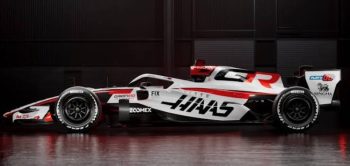

Racing gear has evolved alongside motorsports, with advancements in technology and safety. Today, racing suits are more than just protective wear; they are a blend of function, style, and identity for drivers. This article explores 7 must-have racing gear designs that showcase the evolution of the sport and highlight the innovative changes that have shaped modern racing.
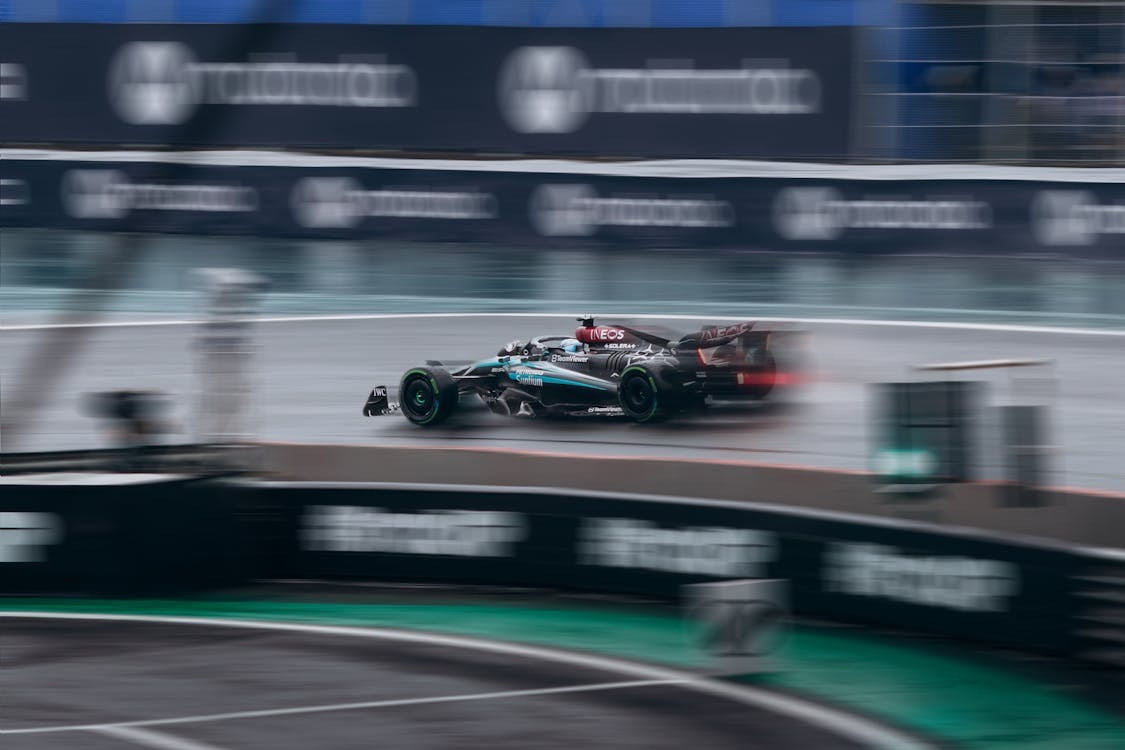
1. The Early Days: Basic Racing Gear Designs
Racing Suits of the 1920s–1950s: Simplicity and Safety
In the early years of motorsports, safety was paramount, but racing gear was minimal and often rudimentary. Racing suits of the 1920s to 1950s were mainly leather or wool, providing basic protection against the elements and offering little in terms of comfort or fire resistance. These early designs were functional, but as the sport grew, so did the need for more advanced gear.
Drivers of the early motorsport era wore basic leather suits, often heavy and uncomfortable. These suits, while essential, were not equipped with the sophisticated features seen today. They were designed to offer a layer of protection against burns and abrasions, but the lack of modern materials meant the suits weren’t breathable or lightweight. The introduction of racing helmets in the 1930s and goggles for visibility marked the beginning of an evolving approach to driver protection.
2. The 1970s: The Era of Bold Racing Gear Designs and Material Advancements
Introduction of Fire-Resistant Materials Like Nomex
The 1970s marked a dramatic shift in racing gear design, with the introduction of fire-resistant materials like Nomex and the integration of sponsor logos. This era laid the foundation for the modern racing suit, where both functionality and visual identity played crucial roles in the sport.
Before the widespread use of Nomex, racing suits were made of cotton or wool, which did not offer adequate fire protection. The adoption of Nomex not only saved lives but also made racing suits more comfortable and functional for drivers, as the fabric was breathable and flexible.
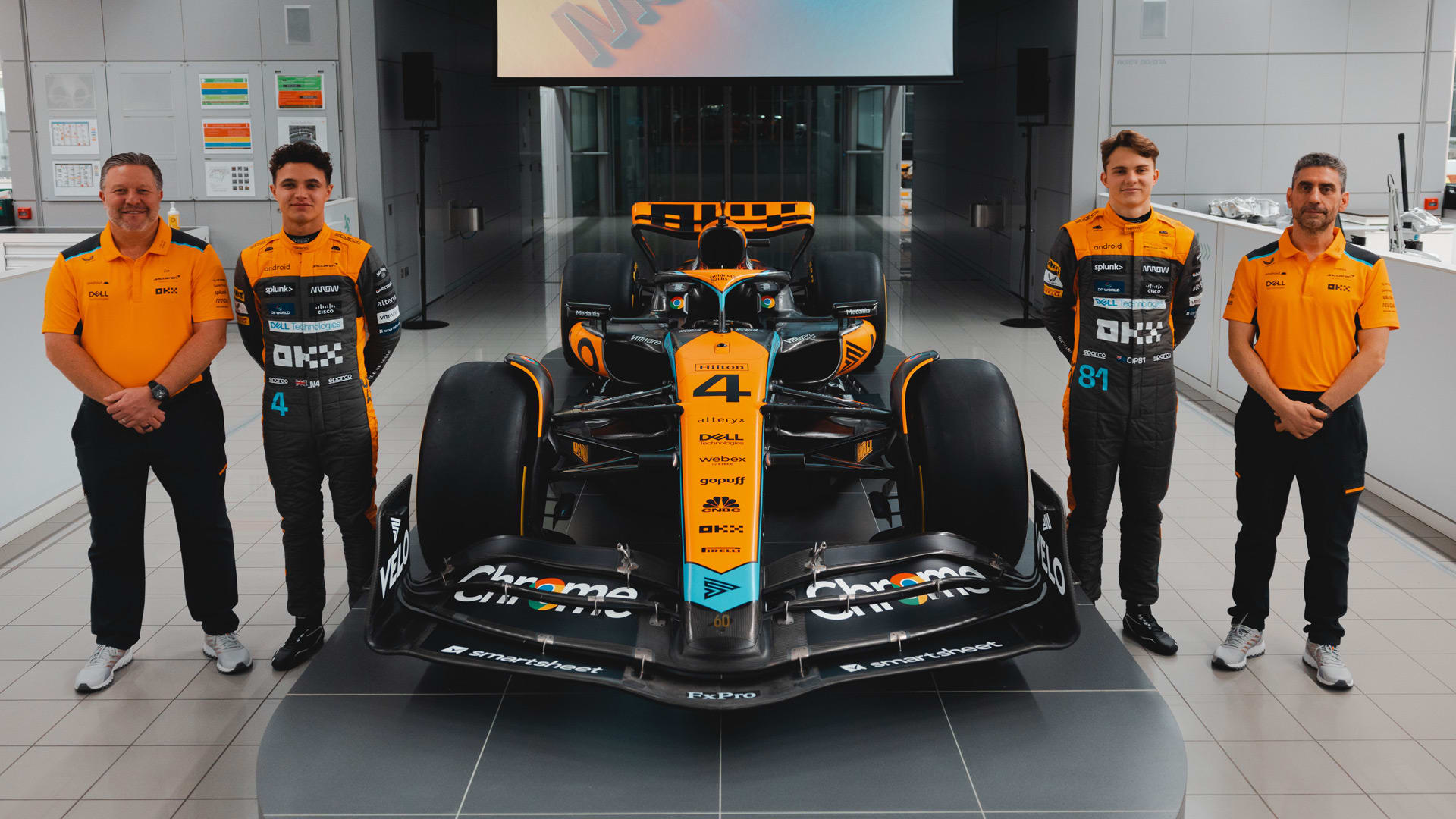
Branding Takes Over: The Rise of Sponsorship Logos
As motorsports became more commercialized, racing suits began to feature more sponsor logos. This shift transformed the racing suit into a form of advertisement, where sponsors played a significant role in the sport’s economy. Teams and drivers embraced the opportunity to showcase their partnerships, creating visually dynamic suits that became synonymous with specific brands.
Enhanced Comfort and Durability for Drivers During Races
With the advancement of materials, racing suits became not only safer but also more comfortable. The introduction of lighter, more flexible materials allowed drivers to have better mobility in the car. Long races, which can stretch for hours, required suits that would keep drivers cool and comfortable, and these advancements in materials began to address those needs.
3. The 1990s: High-Tech Materials and Customization Racing Gear
The Advent of Kevlar and Carbon Fiber in Racing Gear
The 1990s brought a new level of sophistication to racing gear. As technology continued to evolve, so did the materials used in racing suits. The introduction of advanced fabrics like Kevlar and carbon fiber provided even greater protection, while also making the suits lighter and more durable. These materials are extremely strong and lightweight, making them ideal for racing gear. Kevlar is known for its resistance to heat and impact, while carbon fiber is renowned for its strength and durability.
Customizable Racing Suits for Professional Drivers
The 1990s also saw a rise in custom-made racing suits. Drivers were able to personalize their gear, adding unique touches that reflected their personal style and identity. Customization became an important aspect of racing gear, allowing teams and drivers to stand out and create a stronger connection with their fans. Custom suits also enabled drivers to adjust their gear for maximum comfort and performance, with options for different types of padding, ventilation, and fit.
4. Modern Racing Gear: Technology Meets Innovation
The Introduction of Smart Racing Gear with Sensors and Data Integration
Today, racing gear is a highly advanced combination of technology, safety, and style. Modern racing suits now come equipped with smart technology that integrates sensors to monitor a driver’s vital signs, body temperature, and movement during a race. These sensors are connected to the car’s onboard systems, providing real-time data to help optimize performance and ensure the driver’s safety.
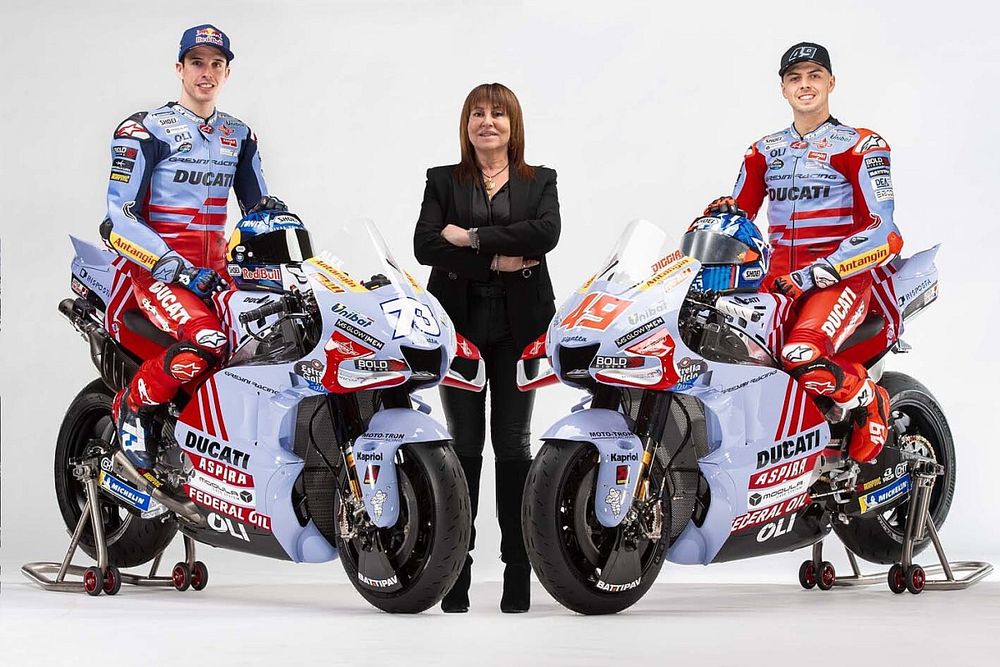
Lightweight, Temperature-Regulating, and Fire-Resistant Fabrics
The use of lightweight fabrics, such as carbon fiber and advanced Nomex, has made modern racing suits not only safer but also more comfortable. Temperature-regulating fabrics help keep drivers cool under extreme conditions, which is crucial during long races. These fabrics also offer enhanced flexibility and mobility, allowing drivers to move more freely in the car, an essential feature for improving performance on the track.
5. Iconic F1 Racing Gear Designs
The Red Ferrari Racing Suits: A Legacy of Speed and Elegance
Formula 1 racing gear is known for its technical innovations, aesthetic appeal, and high performance. The Ferrari F1 racing suits are among the most iconic in motorsports. These suits represent the perfect blend of cutting-edge technology and luxury branding. Ferrari’s distinctive red suits, often featuring logos from major sponsors, are not just a symbol of the team’s legacy but also an example of how style and performance are merged in racing gear.
F1 Racing Gear in Driver and Team Identity
F1 racing suits are more than just protective gear; they are an essential part of a driver’s identity and the team’s brand. Teams like Mercedes, Red Bull, and Ferrari invest heavily in the design and innovation of their suits to reflect their prestige and performance on the track. These suits are custom-fitted and designed to meet the unique needs of each driver, ensuring optimal comfort, mobility, and protection during the race.
6. NASCAR: The Blue Collar Approach to Racing Gear
NASCAR Suits: Durability and Functionality Above All
NASCAR racing suits are known for their practicality, durability, and focus on functionality. In NASCAR, the racing suit is built for endurance. With races lasting several hours, drivers need gear that is not only comfortable but also able to withstand extreme conditions. NASCAR suits are made from high-tech materials that ensure durability while also providing flexibility for quick movements inside the car.
NASCAR racing suits represent the working-class roots of the sport. The simple, functional design reflects the focus on performance and durability, with little emphasis on flashy designs. Instead, NASCAR suits focus on practicality and ensuring the driver is fully protected throughout the race.
7. Monster Jam: Bold Designs for Extreme Racing Gear
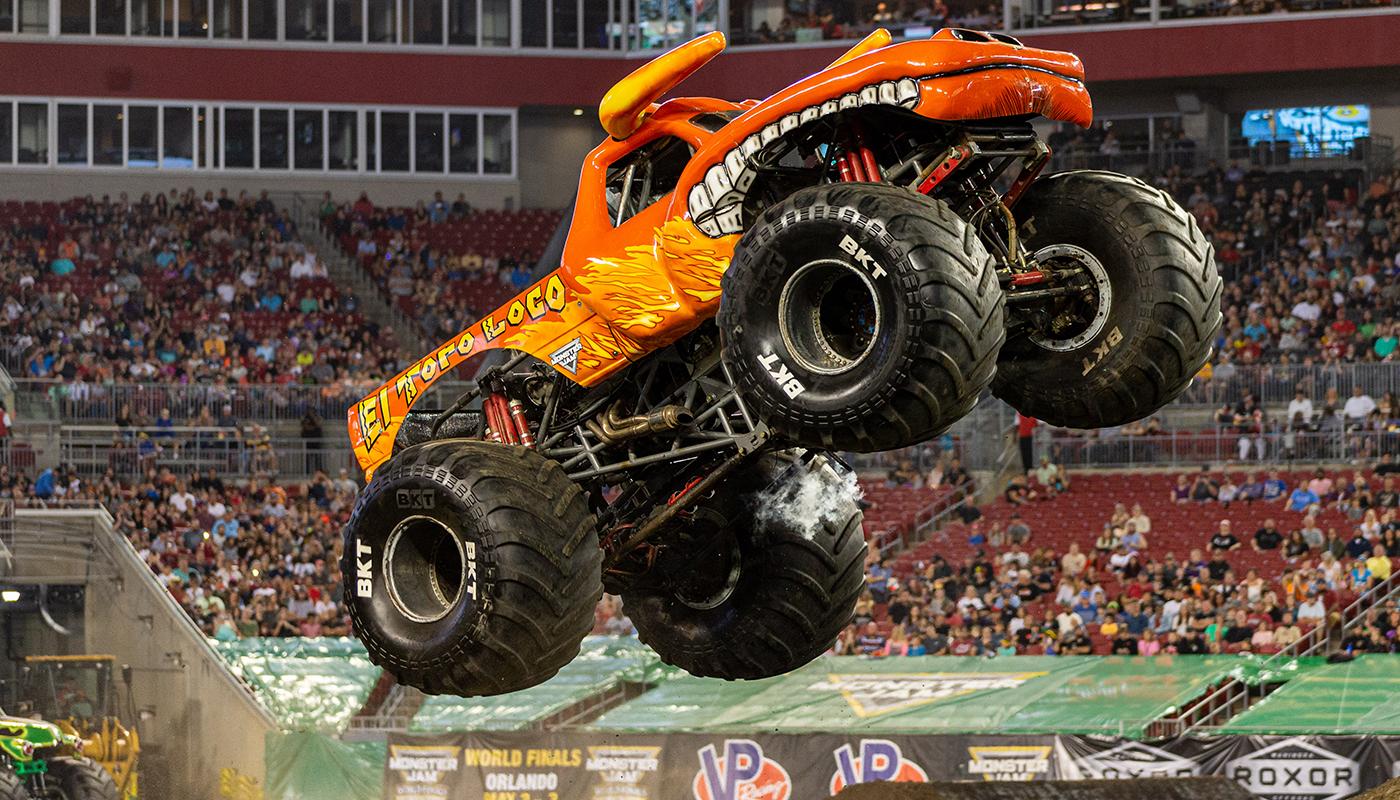
Monster Jam racing gear is known for its bold designs and extreme protection. The suits worn by drivers in Monster Jam events are designed to protect them during high-impact stunts and crashes, offering both comfort and durability in extreme conditions. Monster Jam racing suits are unique in their design, featuring vibrant colors and patterns that reflect the high-energy nature of the sport.
Given the nature of Monster Jam, where trucks perform high jumps and flips, the racing gear is built to withstand significant impacts. These suits are reinforced in key areas to provide maximum protection during stunts and crashes, ensuring the driver’s safety without sacrificing flexibility. Monster Jam gear is as much about performance as it is about spectacle – the vibrant, eye-catching designs and bold branding reflect the adrenaline-fueled excitement that the sport offers.
Conclusion: Why Racing Gear is a Symbol of Motorsport Evolution
The evolution of racing gear is a testament to the advancements in motorsport technology, safety, and style. From the basic leather suits of the early days to the high-tech, smart racing gear of today, these designs reflect the growing sophistication of the sport. Racing gear is no longer just about protection; it is a symbol of a driver’s identity, a team’s brand, and the innovation that drives the sport forward. As technology continues to evolve, so too will the gear that keeps drivers safe, comfortable, and performing at their best.