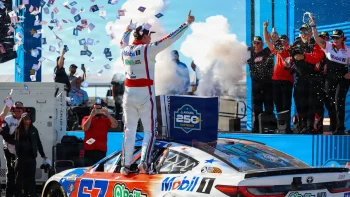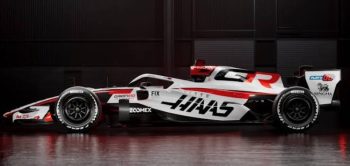

In the world of motorsports, fans are more than just spectators – they are the lifeblood of the sport. The passionate communities that surround teams like Ferrari, Red Bull Racing, and Mercedes have shaped the way motorsports are experienced, marketed, and celebrated. This article explores the surprising impact of fan culture on motorsport teams and drivers, from the early days of grassroots movements to the digital age of social media engagement.
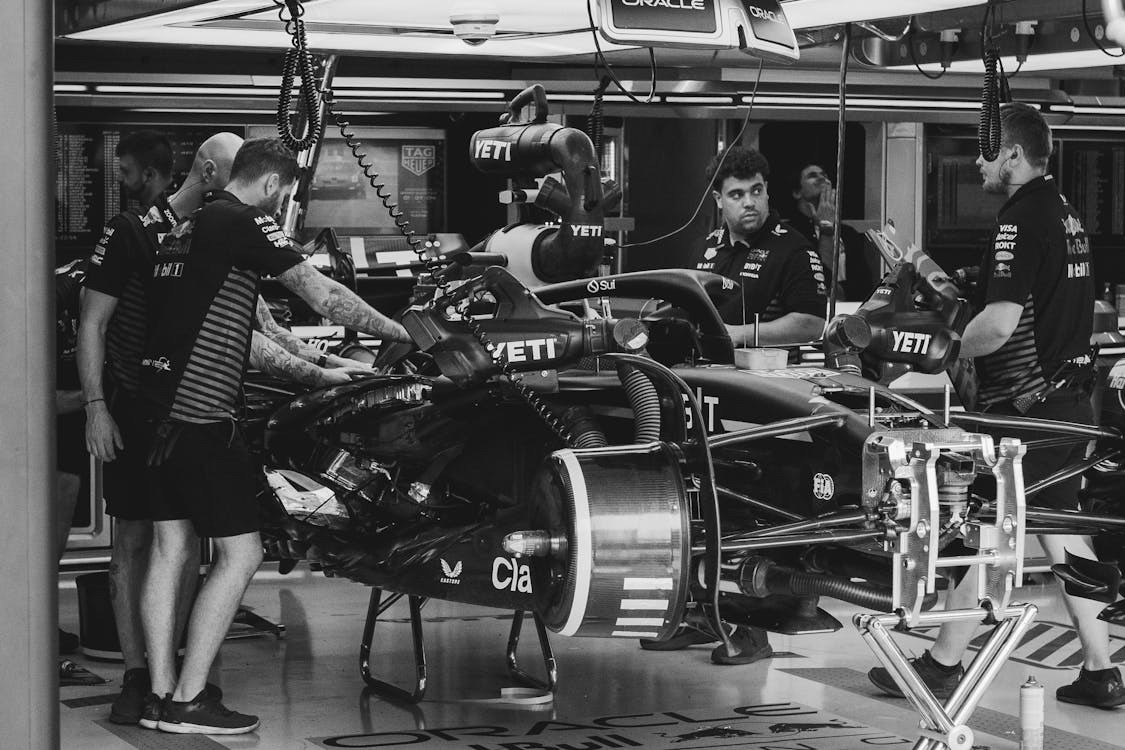
How Fans Drive Team Identity and Driver Popularity
The connection between fans and their favorite teams or drivers is an emotional bond that goes far beyond cheering from the stands. Fan loyalty extends into every aspect of a team’s identity, including visual representation, merchandise, sponsorship deals, and even driver selection decisions. Teams have learned that building a loyal fanbase is as important as building a fast car.
Motorsport’s appeal stems from passion, excitement, and a deep sense of community. When fans attend a race, they are not merely watching a sporting event – they are participating in a celebration of speed, technology, and human achievement. This communal experience transforms races into cultural festivals that bring people together across generations.

The Early Days of Fan Engagement in Motorsport
The Birth of Fan Clubs and Grassroots Movements
Before the internet and social media, fan clubs were the primary means for motorsport enthusiasts to connect with one another and support their favorite drivers and teams. These grassroots organizations allowed fans to share information, organize viewing parties, and even travel together to races. The passion and dedication of early fans helped lay the foundation for the multibillion-dollar industry motorsports has become today.
How Early Fans Supported Teams and Drivers in the Pre-Digital Age
In the pre-digital era, fan support manifested through attendance at races, purchases of team merchandise, and word-of-mouth promotion. Drivers were local heroes and regional icons, and the communities that rallied around them gave teams a sense of purpose beyond competition. Corporate sponsors took notice of these passionate fanbases, leading to increased investment in the sport.
The Role of Fan Culture in Team Identity and Branding
How Motorsport Teams Cultivate Their Own Unique Fan Bases
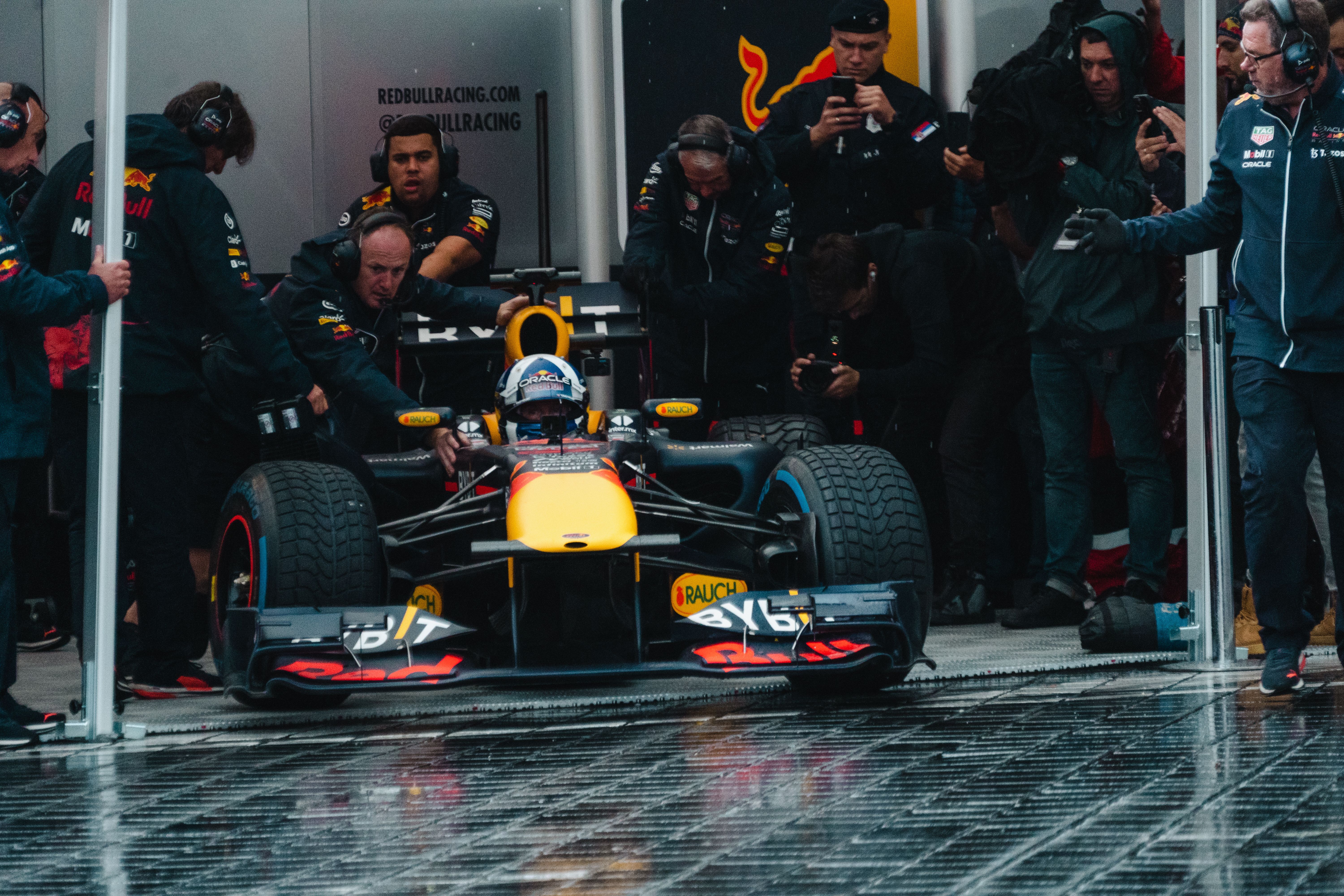
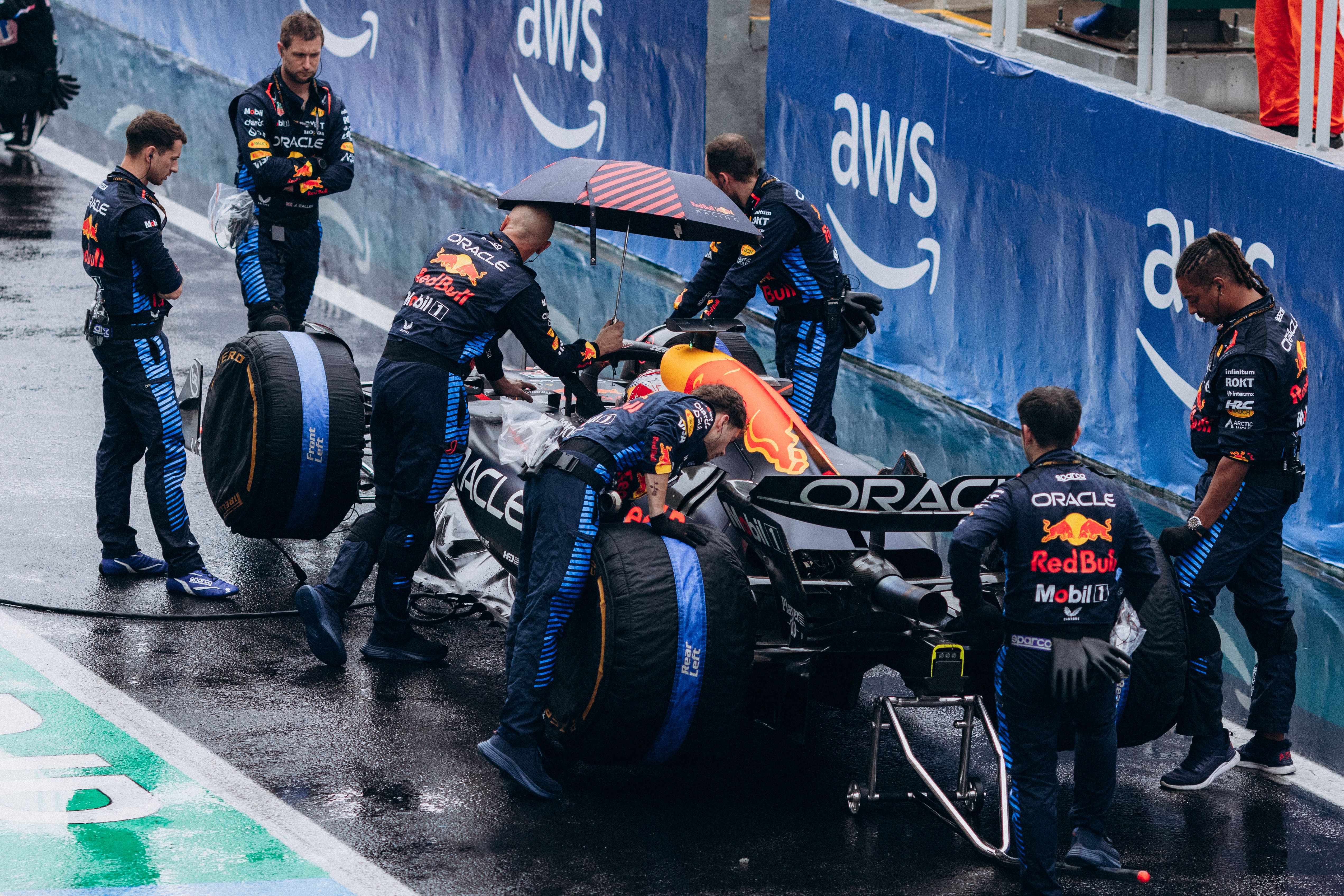
Teams like Ferrari, Red Bull Racing, and Mercedes have invested heavily in creating an emotional connection with their fans. Ferrari’s “Tifosi” are legendary – a passionate group of Italian fans whose devotion has transcended generations and borders. Red Bull has built a youth-oriented brand that resonates with a younger, more globally diverse audience. Each team has developed a distinct identity that fans can identify with and rally behind.
Fan Influence on Team Decisions: From Livery Designs to Driver Selections
The power of fan culture extends to actual team decisions. Fan polls, social media reactions, and merchandise sales data all influence how teams design their liveries, develop their branding, and even which drivers they choose to sign. When a popular driver joins or leaves a team, the immediate impact on merchandise sales and social media engagement can be dramatic, demonstrating the commercial importance of fan opinion.
The Impact of Fans on Sponsorship Deals and Team Success
Sponsorship in motorsport is closely tied to fan engagement metrics. Companies invest in teams not just for on-track exposure but for the ability to reach passionate, loyal fan communities. A team with a large, engaged fanbase can command significantly higher sponsorship fees, creating a direct financial link between fan culture and team success.
The Digital Age: How Social Media Transformed Fan Culture
The Rise of Social Media Platforms in Motorsport
The advent of social media platforms like Instagram, Twitter, TikTok, and YouTube has fundamentally transformed how fans interact with the sport. Fans can now connect directly with their favorite teams and drivers in real-time, getting behind-the-scenes access that was previously unavailable. Live race updates, driver Q&A sessions, and exclusive team content have created a 24/7 connection between fans and the motorsport world.
Direct Fan-Driver Interaction: Breaking the Fourth Wall
Social media has broken down the traditional barriers between drivers and fans. Drivers now manage their own social media accounts, sharing personal moments, training insights, and race preparations. This direct communication has humanized drivers, making them more relatable and accessible to their global fanbases. The result has been an explosion in individual driver followings, with some drivers amassing tens of millions of followers across platforms.
The Future of Fan Engagement in Motorsport
The Impact of Virtual Fan Experiences and Esports on Motorsport
The future of fan engagement in motorsport is being shaped by virtual experiences and esports. Platforms now offer fans the opportunity to compete in virtual races alongside professional drivers, creating an unprecedented level of interactivity. Virtual fan zones, augmented reality experiences at live events, and immersive online streaming have expanded the ways fans can experience the sport without physically attending a race.
How Technology is Making Motorsport More Accessible to Fans Worldwide
Technology is democratizing access to motorsport. Streaming services, virtual reality experiences, and interactive apps have made it possible for fans in every corner of the world to follow their favorite teams and drivers in real-time. This global accessibility is driving growth in new markets, with Formula 1’s “Drive to Survive” series on Netflix being a prime example of how content strategy can dramatically expand a sport’s fanbase.
Conclusion: The Lasting Impact of Fans on the Motorsport Industry
The relationship between fans and motorsport is symbiotic and ever-evolving. Fans provide teams with the financial support, emotional energy, and cultural relevance they need to compete at the highest level. In return, teams and drivers offer fans thrilling competition, compelling narratives, and a sense of belonging to something greater than themselves.
As motorsport continues to grow globally, the role of fan culture will only become more significant. The teams and drivers who understand how to nurture their fan communities – both online and offline – will be best positioned to succeed not just on the track, but in the broader cultural landscape of modern sport.