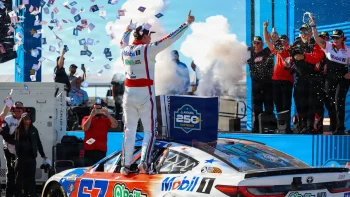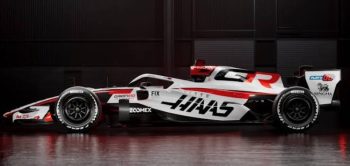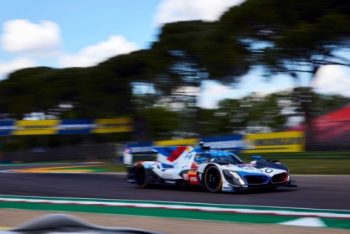

Motorsport fans around the world are passionate about two iconic forms of racing: NASCAR and Formula 1. While both have massive followings, these two sports are vastly different in their history, technology, racing style, and cultural impact. In this Racing Suit Showdown, we explore how NASCAR and Formula 1 differ in terms of their cars, tracks, races, fans, and the gear their drivers wear on the world stage.
The History and Origins of NASCAR and Formula 1
NASCAR’s Roots in American Racing Culture
NASCAR, which stands for the National Association for Stock Car Auto Racing, has its origins in the 1930s. It was founded in the southern United States, where bootleggers would race modified cars to evade the law. Over time, these races evolved into a formalized series that became a staple of American racing culture, especially with its roots in the South.
The Birth and Evolution of Formula 1 in Europe
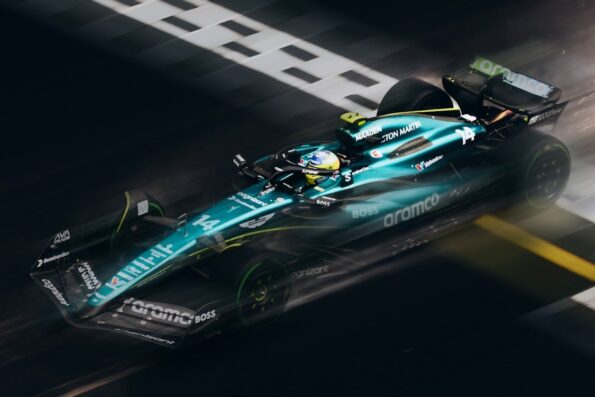
On the other side of the world, Formula 1 was born in Europe in the 1950s, primarily driven by the luxury and innovation of European car manufacturers like Ferrari, Mercedes-Benz, and Alfa Romeo. F1 became a symbol of elite motorsport, where precision, speed, and technology were prioritized. It wasn’t long before F1 became the pinnacle of global racing, attracting fans from all corners of the world.
Key Moments in the History of Both Motorsports
From Ayrton Senna’s triumphs in Formula 1 to Dale Earnhardt’s legendary career in NASCAR, both sports have produced unforgettable moments that have defined their legacies. These key figures and races have shaped the way both sports are perceived today, building the passionate fanbases that make both NASCAR and Formula 1 cultural phenomena.
The Cars: Comparing NASCAR and Formula 1
NASCAR Cars: Built for Endurance and Speed
NASCAR cars are stock cars designed for endurance racing on oval tracks. These cars are typically heavier and less aerodynamically refined than F1 cars, but they are built to withstand long-distance races that can last for hours. NASCAR cars are built to be durable, with engines that focus on sustained speed rather than extreme acceleration.
Formula 1 Cars: Cutting-Edge Technology for Precision and Speed
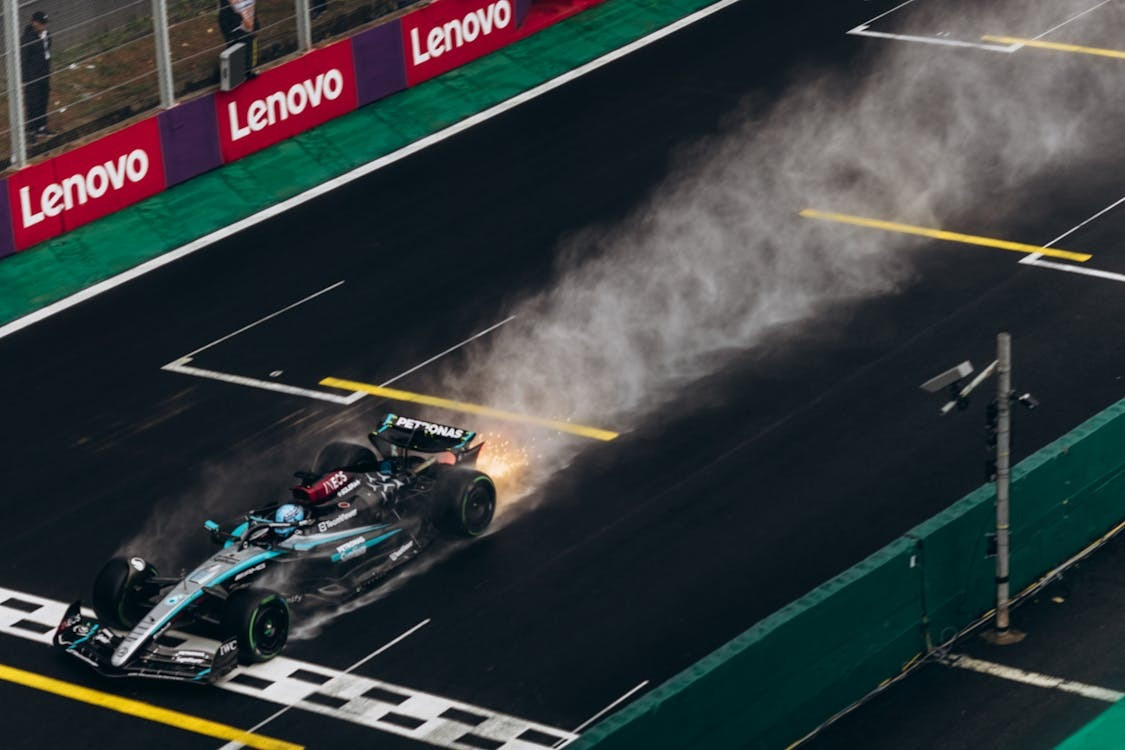
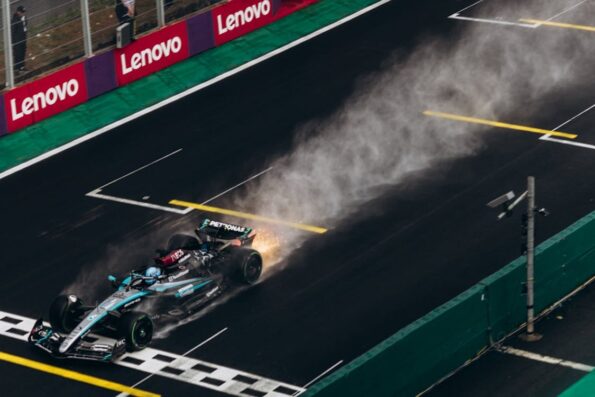
In contrast, Formula 1 cars are masterpieces of engineering and aerodynamics. F1 cars are incredibly lightweight, fast, and designed with cutting-edge technology to provide maximum speed and precision. They can reach speeds of over 230 mph and are engineered for agility and quick turns, making them perfect for the complex and winding circuits that define F1 tracks.
Design Differences: Aerodynamics, Engine Power, and Weight
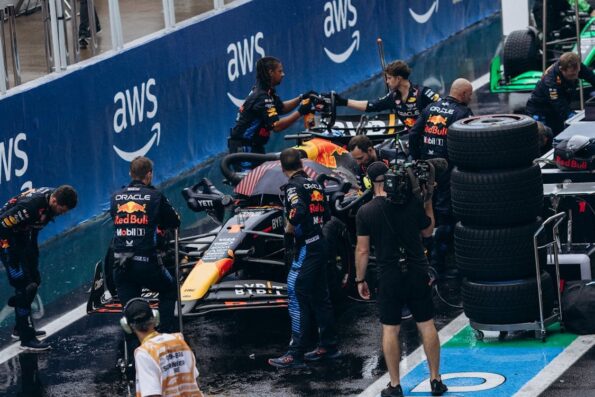
When comparing the two, it’s clear that F1 cars are the pinnacle of speed and agility, focusing heavily on aerodynamics and engine power. NASCAR cars, on the other hand, emphasize strength and reliability, capable of enduring long races while still delivering high speeds. This fundamental difference in car philosophy extends to the racing suits and gear worn by drivers in each series.
The Tracks: How NASCAR and Formula 1 Differ
NASCAR Tracks: Oval Racing for High-Speed Action
NASCAR races are typically held on oval tracks or super-speedways where cars can reach speeds of over 200 mph. The races are known for their high-intensity nature, with frequent pit stops and close-quarter racing. The oval track layout offers plenty of opportunities for drivers to engage in strategic moves, while the long race lengths test both endurance and skill.
Formula 1 Tracks: Challenging Circuits and Complex Turns
Formula 1 tracks, on the other hand, are characterized by their technical layouts, featuring sharp turns, elevation changes, and high-speed straights. Each circuit presents a unique challenge for F1 drivers, who must demonstrate not only speed but also exceptional handling and strategy to navigate these complex tracks.
The Drivers: Skill Sets and Challenges
NASCAR Drivers: Mastering Endurance and Close-Quarters Racing
NASCAR drivers are experts in endurance racing. Their skillset is honed in managing the high speeds, intense competition, and physical stamina required for long races on oval tracks. The skill to pass in tight spaces, avoid accidents, and strategically time pit stops is crucial for success.
Formula 1 Drivers: The Precision of the World’s Fastest Cars
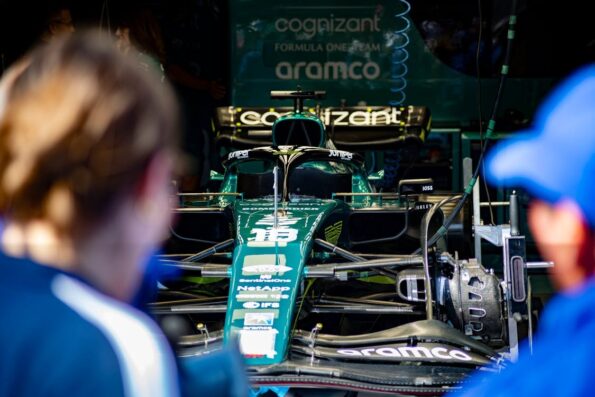
Formula 1 drivers, meanwhile, must master the art of precision driving. F1 racing requires incredible technical skill in navigating complex corners at incredible speeds. The challenge lies in maintaining a car’s optimal performance while also being aware of fuel levels, tire degradation, and the complex strategy involved. F1 drivers also experience the physical demands of high-speed cornering and braking forces, requiring exceptional fitness levels.
The Future of NASCAR and Formula 1
How Each Sport Is Adapting to Modern Trends and Technologies
Both NASCAR and Formula 1 are continuously evolving, integrating advanced technology and new trends to stay relevant and competitive. In Formula 1, hybrid engines and energy recovery systems are pushing the boundaries of sustainability and performance. In NASCAR, we are seeing a shift towards more aerodynamic and efficient car designs, with an emphasis on safety and driver protection.
The Role of Sustainability and Eco-Friendly Initiatives
Sustainability is becoming a key focus for both sports. Formula 1 has already started focusing on carbon neutrality, while NASCAR is exploring electric vehicle racing and sustainable fuels. These changes reflect a broader trend in motorsports to make the sport more eco-friendly and sustainable without compromising on performance.
Conclusion: Why NASCAR and Formula 1 Are Icons
Despite their differences, both NASCAR and Formula 1 have become iconic in their own rights. Each offers something unique to its fans – whether it’s the endurance and strategy of NASCAR or the speed and precision of Formula 1. Both sports continue to captivate global audiences, with their rich histories, passionate fanbases, and high-octane action.
As we look to the future of motorsports, it’s clear that both NASCAR and Formula 1 will continue to evolve. They may share a love for speed, but their distinct approaches to racing will ensure that they each remain iconic for generations to come.