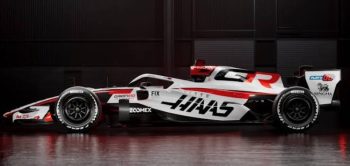

Racing gear has come a long way in the world of motorsports, evolving from basic protective equipment to sophisticated, high-tech suits designed not only for safety but also for performance optimization and brand representation. For drivers, every race is a battle against time, with gear playing a crucial role in ensuring that they can perform at their peak while staying safe. From early racing suits to modern designs filled with sensors and specialized materials, racing gear has become as much about technology and innovation as it is about the race itself.
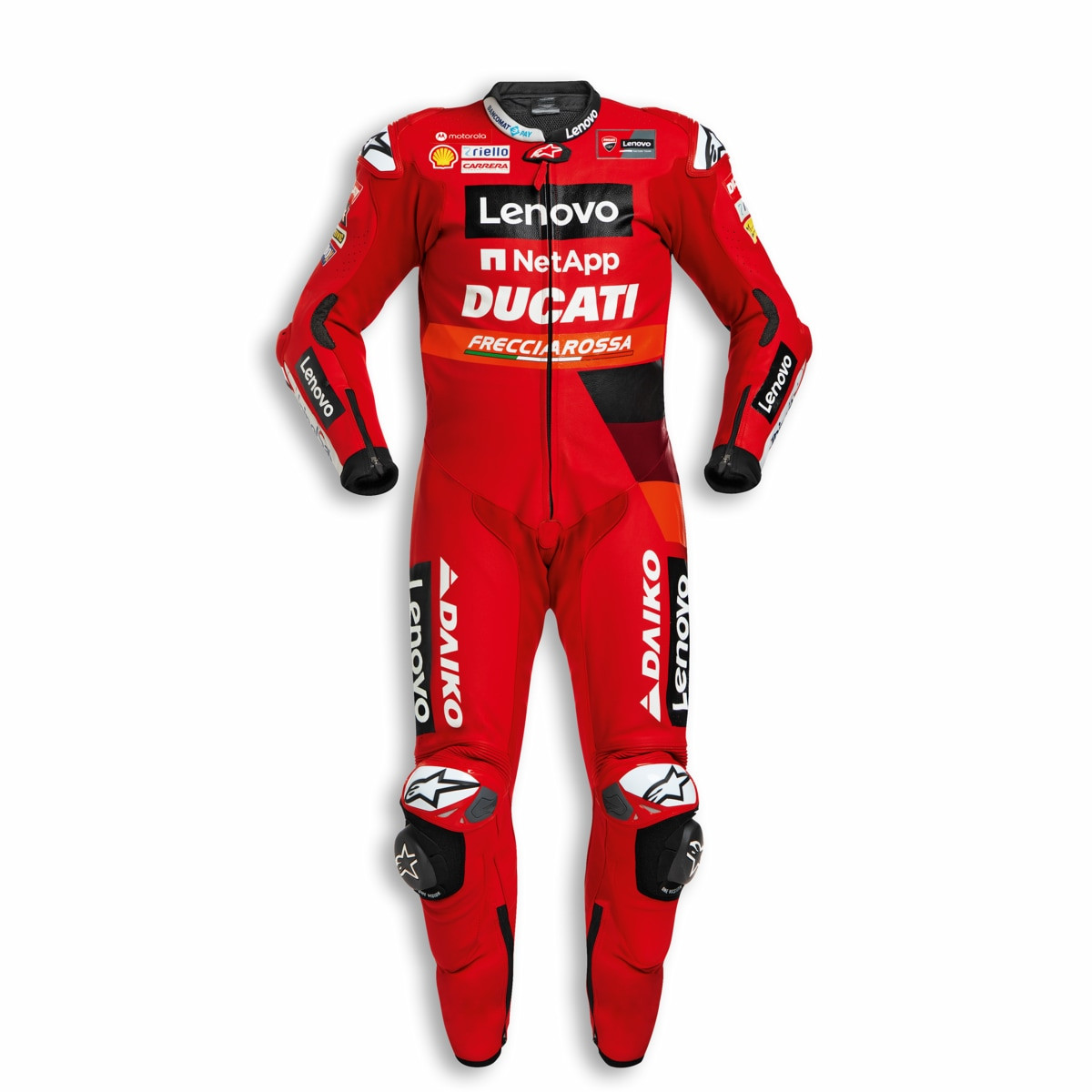
In the early days of motorsports, safety was a secondary consideration, with drivers often relying on basic leather or wool suits for protection. Today, racing gear is designed to provide ultimate safety while enhancing driver performance. Fire-resistant materials, such as Nomex, offer vital protection from fire hazards, and high-tech fabrics keep drivers comfortable by regulating their body temperature, allowing them to focus entirely on the race.
How Racing Gear Reflects the Evolution of Motorsport Technology
The design of racing gear has evolved as rapidly as the technology in the cars themselves. In the 1920s to 1950s, racing suits were simple and offered minimal protection, often made from wool or leather. As car technology advanced, so did the gear. By the 1970s, the introduction of fire-resistant materials like Nomex revolutionized the industry, allowing drivers to race with more confidence in their protection. In the 1990s, high-tech materials like Kevlar and carbon fiber were introduced to further enhance protection while reducing weight.
1. The Early Days: Basic Racing Gear Designs
Racing Suits of the 1920s–1950s: Simplicity and Safety
The early years of racing gear were focused on basic protection, with drivers wearing wool or leather suits that provided some degree of coverage but little else in terms of safety features. In this era, the priority was simply shielding the driver from abrasions and weather conditions, as car speeds were not as high as they are today. As a result, early designs lacked the sophisticated materials we see in modern suits.
Limited Branding and Basic Safety Features
Back in the early days, branding and sponsorship were not as pervasive in motorsports as they are today. Racing suits often bore little to no logos, and the focus was more on functionality than commercial appeal. Safety features were rudimentary at best, with helmets and goggles being some of the only protective gear drivers had at their disposal.
2. The 1970s: The Era of Bold Designs and Material Advancements
Introduction of Fire-Resistant Materials like Nomex
By the 1970s, the dangers associated with high-speed racing prompted manufacturers to introduce fire-resistant materials, which became a game-changer for driver safety. Nomex, a flame-retardant fabric, was integrated into racing suits to protect drivers in the event of fire – a crucial safety feature given the high risk of accidents and vehicle fires. This innovation not only saved lives but also set the foundation for further advancements in racing gear technology.
Branding Takes Over: The Rise of Sponsorship Logos
As motorsport grew in popularity and commercial sponsorships flourished, racing suits began to transform into vibrant canvases for corporate logos and brand names. During the 1970s, the increased presence of sponsors meant that driver suits became adorned with a multitude of logos, a trend that continues today. This was a crucial period for motorsport, as the integration of branding into gear signaled the commercialization and global reach of the sport.
3. The 1990s: High-Tech Materials and Customization
The Advent of Kevlar and Carbon Fiber in Racing Gear
The 1990s ushered in a new era of advanced materials in racing gear. Kevlar and carbon fiber became popular choices for creating lightweight, durable, and protective gear. These materials, originally developed for military and aerospace applications, provided superior strength and fire resistance, allowing racing suits to offer more protection without adding unnecessary weight.
Customizable Racing Suits for Professional Drivers
Customization became a key feature in the 1990s, with professional drivers now able to have racing suits tailored to their exact measurements and personal preferences. Custom designs were not only a way for drivers to ensure comfort but also an opportunity to showcase their team colors and personal branding. This period saw the rise of personalized suits, with drivers opting for unique designs that reflected their style, sponsor partnerships, and national pride.
4. Modern Racing Gear: Technology Meets Innovation
The Introduction of Smart Racing Gear with Sensors and Data Integration
In recent years, racing gear has embraced cutting-edge technology. Smart racing suits with integrated sensors are now able to monitor a driver’s physical condition during a race. These suits collect data on heart rate, body temperature, and even stress levels, which is transmitted to the team in real-time. This data allows teams to make informed decisions about a driver’s well-being and performance, marking a significant advancement in both safety and strategy.
Lightweight, Temperature-Regulating, and Fire-Resistant Fabrics
Today’s racing gear is engineered with lightweight, temperature-regulating, and fire-resistant fabrics, offering maximum protection while allowing for optimal comfort. Materials such as Nomex are combined with cooling technologies to help maintain the driver’s core temperature, preventing overheating during long and intense races.
5. Iconic F1 Racing Gear Designs
The Red Ferrari Racing Suits: A Legacy of Speed and Elegance
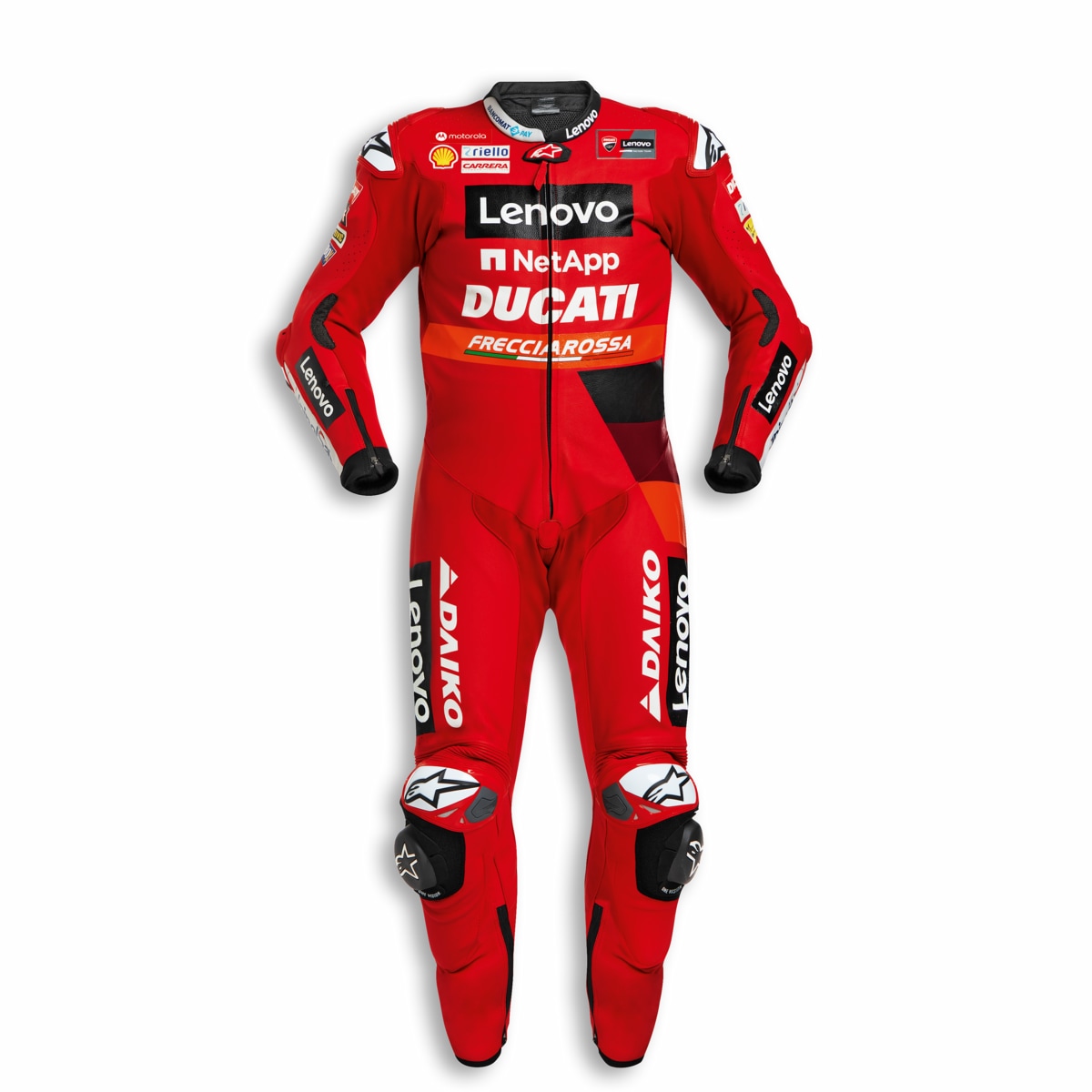
Few designs in motorsport are as iconic as the Ferrari F1 racing suits. These red suits have become synonymous with speed, luxury, and excellence in motorsport. The combination of Ferrari’s racing legacy and the functional, stylish design of the suits makes them a standout in F1 history. The integration of sponsor logos and personalized elements further elevates the prestige associated with these suits.
Technological Innovations in F1 Gear for Driver Protection
F1 gear has constantly evolved to ensure driver safety. Innovations such as the HANS (Head and Neck Support) device, integrated into many racing suits, have become mandatory in modern F1 racing, helping to protect the driver from neck injuries during crashes. As safety concerns grow, so do the technologies used in racing gear, making F1 one of the most technologically advanced sports in the world.
6. NASCAR: The Blue Collar Approach to Racing Gear
Unlike the flashy, brand-heavy designs seen in F1, NASCAR racing suits emphasize durability and functionality. These suits are built to withstand the tough, rough nature of stock car racing, where impacts and long, grueling races are common. The focus is on ensuring that drivers can perform under harsh conditions while remaining protected and comfortable.
NASCAR suits reflect the “blue-collar” spirit of the sport. They are built for performance and practicality, often designed with the driver’s physical demands and the sport’s gritty reputation in mind. NASCAR racing gear may not have the same glamorous reputation as F1 suits, but it certainly holds a unique place in the heart of motorsport culture.
7. Monster Jam: Bold Designs for Extreme Motorsports
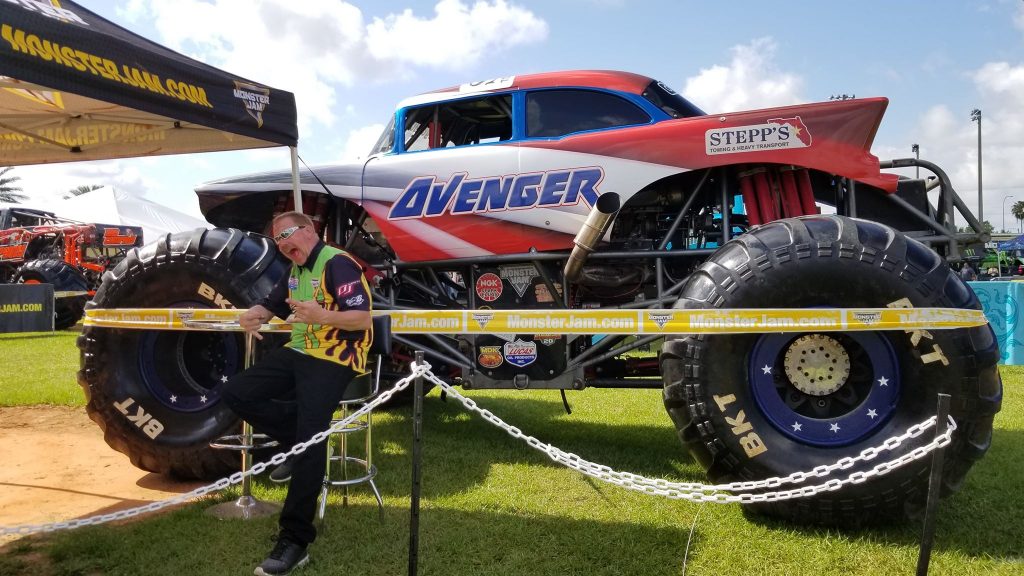
Monster Jam’s racing gear is designed with bold, extreme flair to match the larger-than-life vehicles and stunts performed in the sport. Bright colors, massive logos, and wild designs characterize the racing suits of Monster Jam drivers, reflecting the thrill and excitement of the sport itself. These suits are as much about performance as they are about making a statement.

Conclusion: Why Racing Gear is a Symbol of Motorsport Evolution
Racing gear has transformed over the years from a basic protective garment to a highly technical and fashion-forward piece of equipment. As technology advances, so does the gear, with suits that offer increased protection, comfort, and even data-gathering capabilities. What was once purely functional is now a symbol of the driver’s identity, team spirit, and the technological progression of motorsport.
The future of racing gear lies in the perfect marriage of technology and fashion. As smart suits, sensors, and custom designs become the norm, racing gear will continue to evolve, providing both optimal performance and a means of self-expression for drivers. This evolution in racing gear design reflects the dynamic nature of motorsports and shows how far we’ve come in making safety and performance a seamless part of the racing experience.