

Motorsport is one of the most dangerous sports in the world. Yet thanks to relentless innovation in driver safety gear, the sport has become dramatically safer over the past few decades. From fire-resistant suits to biometric-tracking helmets, these five advancements have fundamentally changed how drivers survive — and thrive — on the track.
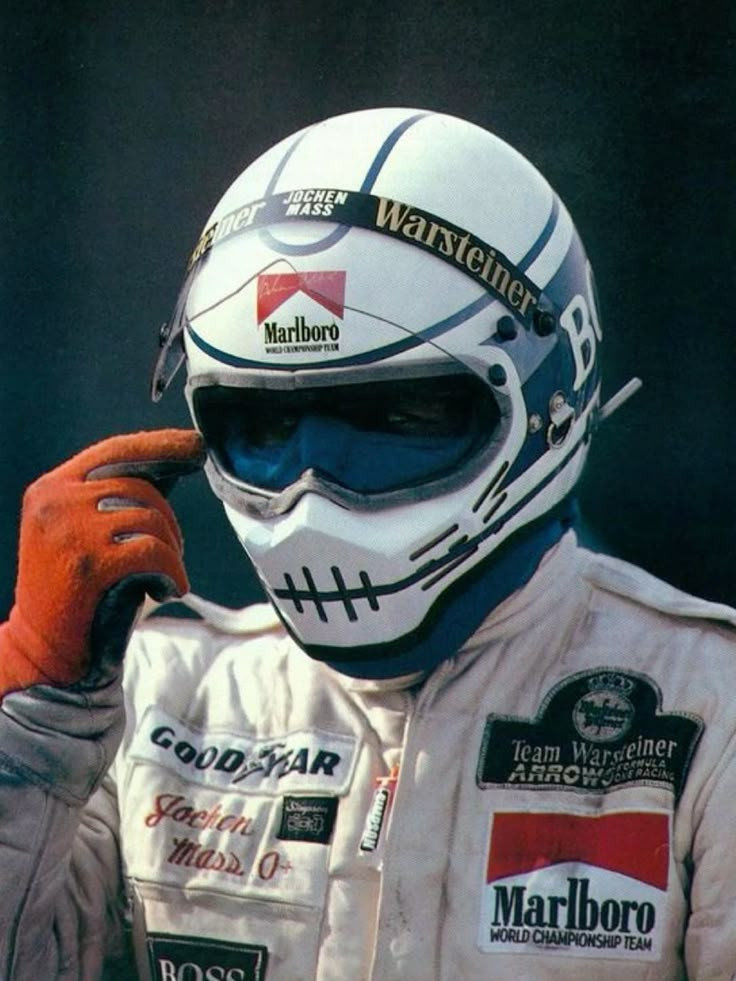
Here are 5 shocking advancements in driver safety gear that every motorsport fan should know about.
1. The HANS Device: Preventing Fatal Neck Injuries
The Head And Neck Support (HANS) device is arguably the single most important safety advancement in motorsport history. Introduced in the early 2000s following several high-profile fatalities, the HANS device anchors the helmet to the driver’s shoulders, preventing the head from snapping forward violently during a crash.
Before the HANS device became mandatory in Formula 1 (2003) and NASCAR (2001), basilar skull fractures were a leading cause of death in motorsport accidents. The device has since virtually eliminated this type of fatal injury.
- How it works: Two arms extend from behind the driver’s neck and attach to the helmet via tethers.
- Impact: Reduces head deceleration loads by up to 68% during frontal impacts.
- Adoption: Now mandatory in virtually all major motorsport series worldwide.
2. Advanced Helmet Technology: Smart Helmets Enter the Arena
Modern racing helmets are technological marvels. Constructed from carbon fiber composite shells, they offer unprecedented impact resistance while keeping weight to a minimum. But the real revolution is happening inside.

Today’s top helmets feature:
- Multi-layer energy absorption: Expanded polystyrene and polystyrene foam layers that deform progressively to absorb impact energy.
- MIPS (Multi-directional Impact Protection System): A slip-plane layer that reduces rotational brain injuries.
- Integrated biometric sensors: Some helmets now monitor driver heart rate, g-forces experienced, and even brain activity during races.
- Tear-off visors: Allow drivers to clear debris from their visor without slowing down.
The latest helmets are tested to standards far beyond what was required even 10 years ago, capable of withstanding impacts in excess of 275 km/h (170 mph).
3. Nomex Fire-Resistant Suits: From Moonwalk Fabric to Racetracks
The same material that protected Apollo astronauts now protects racing drivers. Nomex, DuPont’s flame-resistant meta-aramid fabric, has been the foundation of racing suits since the 1960s, but modern iterations are barely recognizable compared to their predecessors.
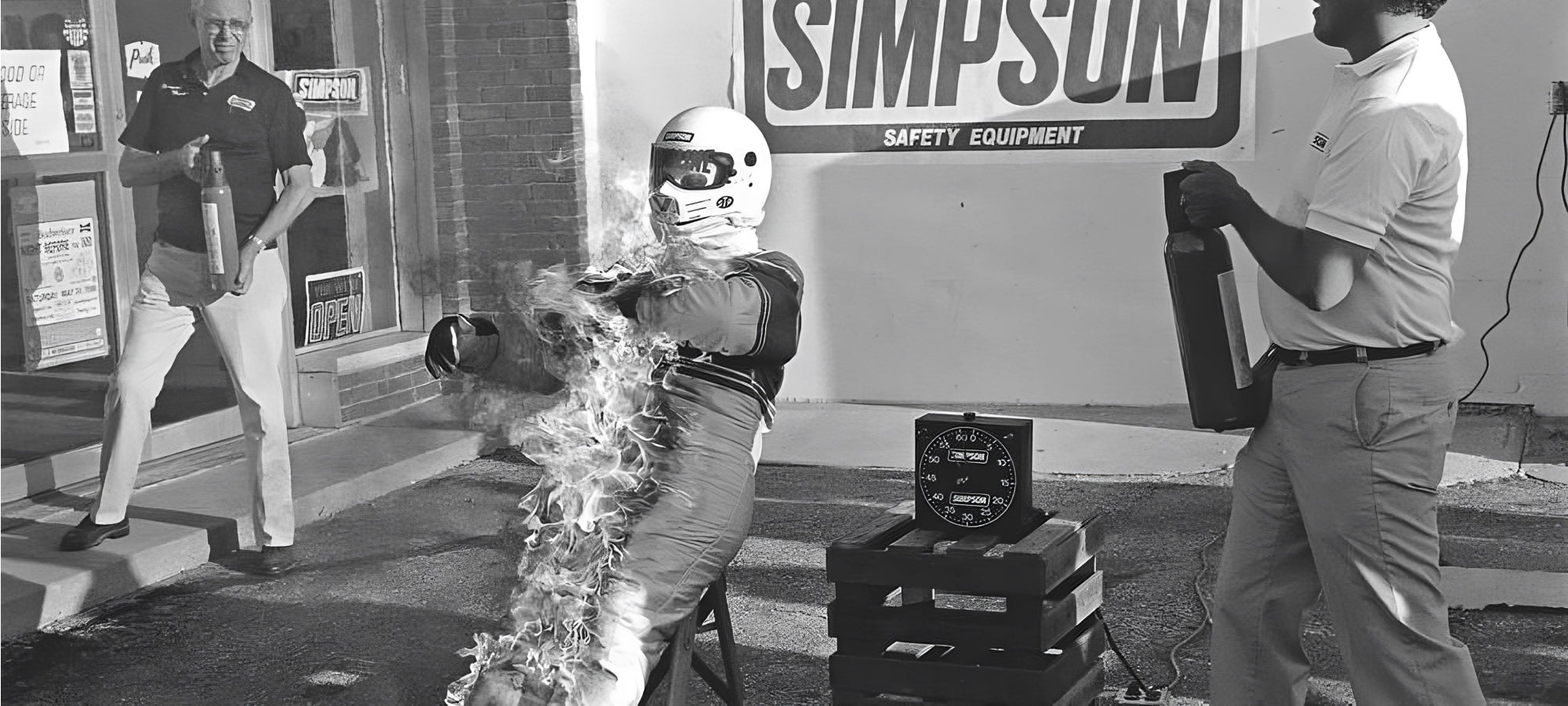
Today’s multi-layer Nomex suits can:
- Withstand temperatures above 350°C (662°F) for up to 12 seconds — enough time for a driver to escape a burning car.
- Weigh as little as 600 grams (1.3 lbs) while providing maximum protection.
- Include integrated biometric monitoring systems sewn directly into the fabric.
FIA regulations now require drivers to wear a minimum of three layers of fire-resistant material, and most top teams use custom-tailored suits built for each driver’s specific body measurements.
4. The Halo: Controversial but Life-Saving
When Formula 1 introduced the Halo cockpit protection device in 2018, the reaction was mixed — fans and drivers alike criticized its aesthetics. Three years later, when the device saved Charles Leclerc’s life at the 2020 Bahrain Grand Prix and later Max Verstappen at Silverstone 2021, opinions shifted dramatically.

The Halo is a titanium structure that sits above the cockpit opening, capable of withstanding:
- 125 kilonewtons — equivalent to the weight of a double-decker bus.
- Deflecting large debris, tire strikes, and even barriers during accidents.
- Full rollover loads without deforming significantly.
The device adds approximately 9 kg to the car and has been adopted in Formula 2, Formula 3, Formula E, and other open-wheel series.
5. Smart Gloves and Biometric Race Suits
The next frontier in driver safety is real-time health monitoring. Teams are now developing and deploying smart gloves and biometric suits that continuously track a driver’s physical condition throughout a race.
These systems monitor:
- Heart rate and heart rate variability — indicating stress and physical exertion levels.
- Core body temperature — crucial in cockpit temperatures that regularly exceed 50°C (122°F).
- G-force exposure — tracking cumulative impact on the driver’s body during a race.
- Hydration levels — via skin conductivity sensors built into the suit lining.
This data is transmitted to the pit wall in real time, allowing teams to make informed decisions about driver welfare during a race.
The Future of Motorsport Safety
The advancements in driver safety gear over the past two decades have been nothing short of revolutionary. From the HANS device to smart biometric suits, the sport continues to push the boundaries of what’s possible in protective technology.
As AI and advanced materials science continue to evolve, we can expect even greater innovations: self-tightening restraint systems, impact-predictive airbags built into race suits, and helmets that can communicate with safety crews before a car even comes to rest.
For drivers, the message is clear: the sport has never been safer — and it’s only getting safer.