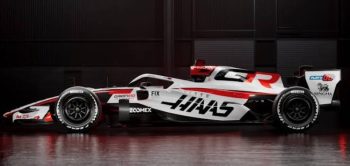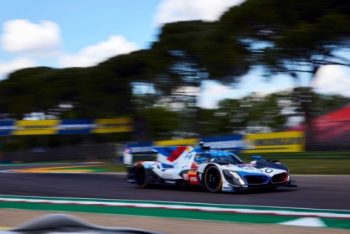

Motorsport clothing has evolved from purely functional race-day essentials into a fashion category that commands attention on and off the track. Whether you are a racing driver looking for technical performance apparel or a fan who wants to wear their passion with style, the world of motorsport clothing has never offered more choice or more sophistication.

Here are 5 motorsport clothing picks that deliver genuine track-ready performance while turning heads everywhere you wear them.
1. The Custom Racing Suit — Personalized Performance

A custom racing suit remains the ultimate expression of motorsport clothing. Beyond FIA-certified fire protection, today’s custom suits are tailored works of wearable art — reflecting the driver’s personality, team colors, and sponsor commitments in designs that can take weeks to finalize.
What to look for in a custom racing suit:
- FIA 8856-2018 certification — the current standard for fire protection in single-seater and GT racing.
- Multi-layer Nomex construction — minimum three layers for maximum protection at minimum weight.
- Custom sublimation printing — allows any color combination, graphic, or branding at no structural compromise.
- Ergonomic stretch panels at the knees, elbows, and back for maximum comfort in a driving position.
- Integrated biometric sensor pockets — forward-looking suits now include discreet pockets for heart rate and temperature monitoring devices.
Top brands: Alpinestars, Sparco, OMP, Puma (F1 teams), Sabelt.
2. Racing-Inspired Streetwear — The Track Comes to Town
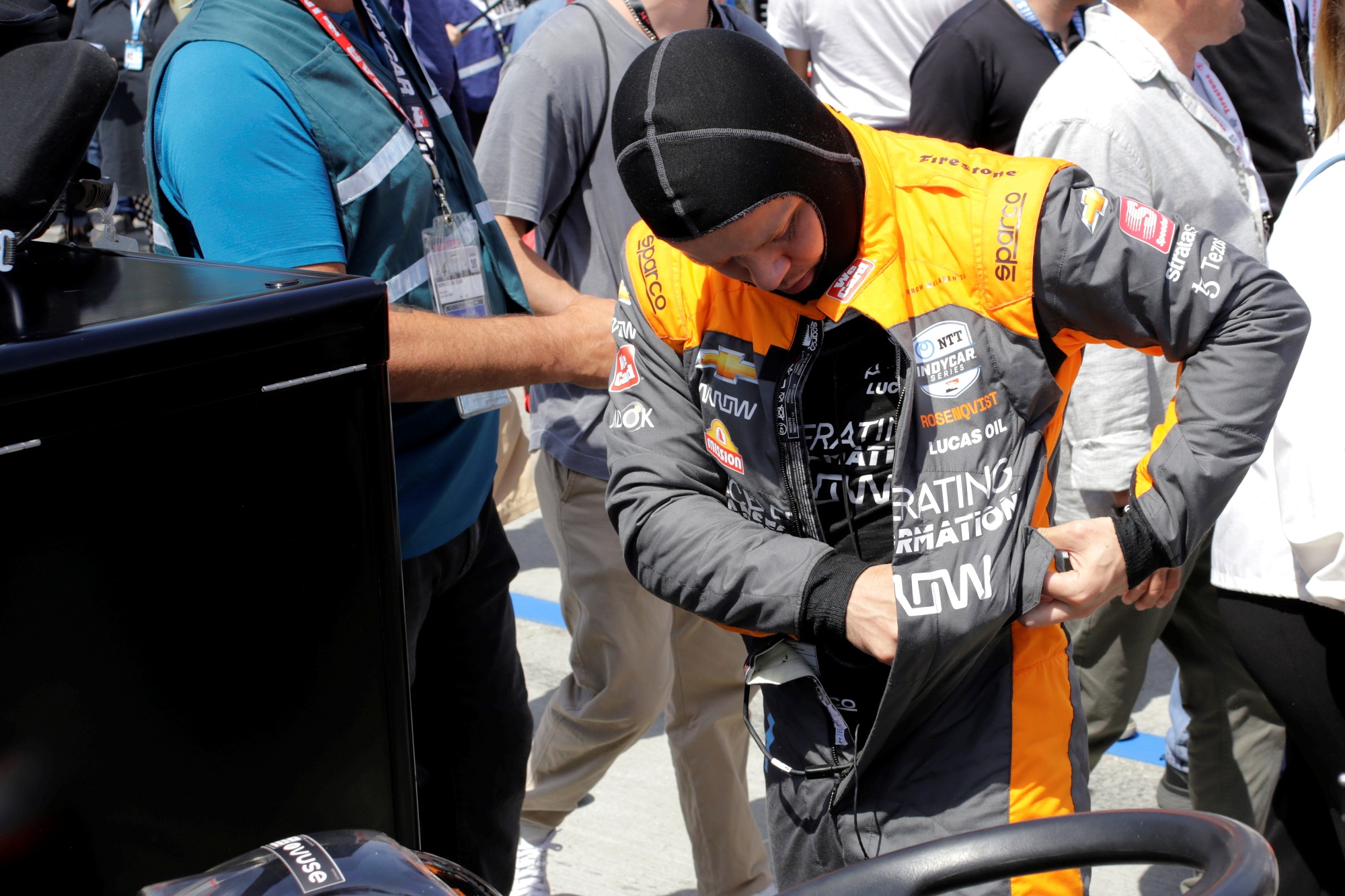
The boundary between racing wear and streetwear has dissolved. Racing-inspired streetwear — bomber jackets cut like fire-resistant race suits, zip-up hoodies with sponsor patch aesthetics, cargo pants with tool-pocket detailing — dominates the fashion conversation among motorsport fans.
Key pieces in the racing streetwear aesthetic:
- Bomber jackets in race team color schemes with embroidered manufacturer logos.
- Technical polo shirts in moisture-wicking polyester blends — the team polo is an F1 staple for a reason.
- Pit-lane boots — low-profile racing boots designed for mechanical work that have crossed over into everyday footwear.
- Padded driving gloves as accessories — not for racing, but the aesthetic and texture are unmistakable.
Brands leading the racing streetwear crossover: AlphaTauri, New Balance x McLaren, Tommy Hilfiger x Mercedes AMG F1.
3. The Ferrari Tuscan GP Special Suit — Collector’s Icon
Ferrari’s special edition racing suit worn by Charles Leclerc at the 2020 Tuscan Grand Prix — a deep, dark burgundy red that departed from Ferrari’s traditional scarlet — became an instant collector’s item and a cultural moment for F1 fashion. The suit referenced Ferrari’s 1000th Grand Prix milestone with a design that bridged the team’s historic roots and modern identity.
Ferrari’s special edition suits have since become some of the most sought-after racing collectibles. Miniature replicas and limited-edition lifestyle versions have sold out within hours of release, demonstrating how motorsport clothing can transcend function to become genuine fashion currency.
4. The Driver’s Base Layer — The Unsung Hero
Beneath the race suit lies the base layer system — a combination of balaclava, undershirt, and leggings constructed from FIA-certified fire-resistant materials. While invisible to the camera, the base layer is arguably as important as the outer suit for both protection and comfort.
Modern base layer technology includes:
- Nomex and carbon fiber blend fabrics — lightweight yet fire-resistant.
- Anti-microbial treatments — essential for drivers wearing base layers in 40°C cockpits for 90 minutes.
- Compression technology — supporting muscle groups under sustained g-force loads.
- Cooling zone mesh panels — directing air circulation to highest heat areas of the body.
5. How a Race Suit Is Made — Engineering Meets Craft
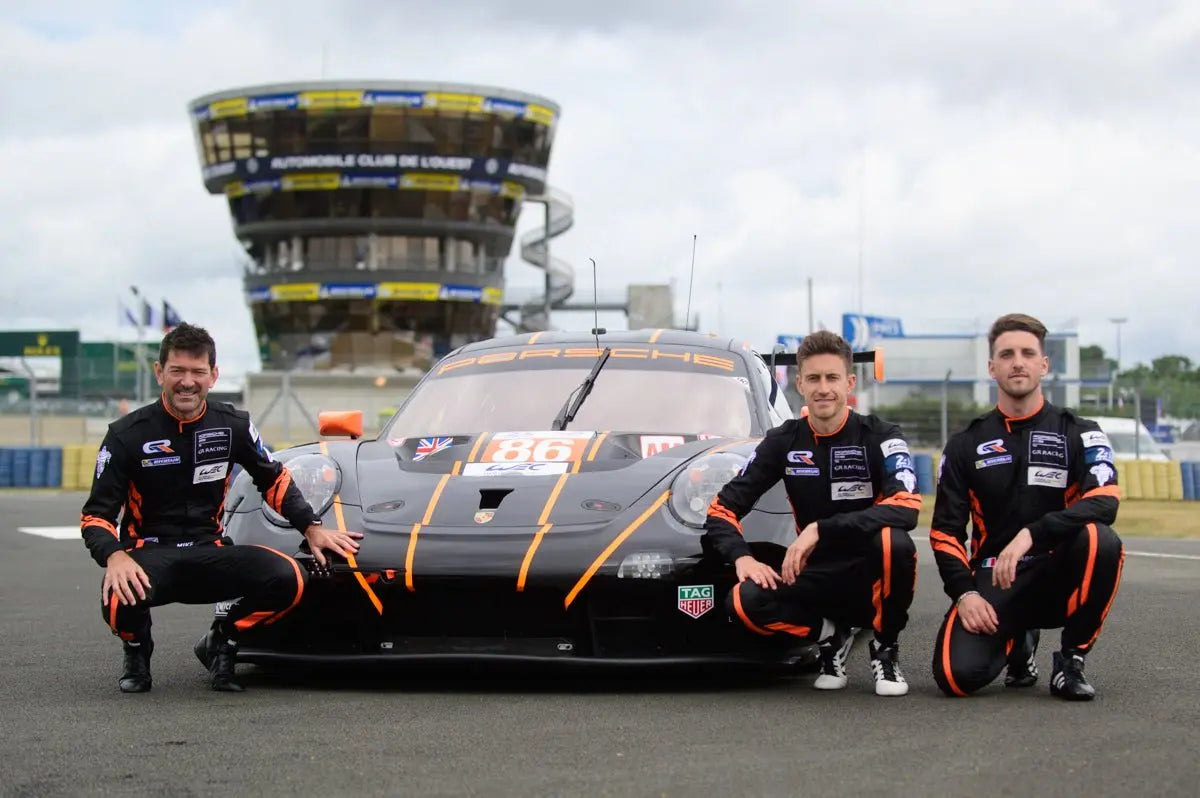
Understanding how a race suit is made transforms your appreciation of the garment. Each suit begins as a pattern created from the driver’s exact measurements — often taken at three or four positions to account for the different postures a driver adopts while racing.
The construction process:
- Pattern creation — digital CAD patterns based on 3D body scans of the driver.
- Fabric cutting — precision CNC cutting of multiple Nomex fabric layers simultaneously.
- Sub-assembly — panels are assembled into sections (arms, torso, legs) by specialist seamstresses.
- Sublimation printing — designs are thermally transferred to the outer layer before final assembly.
- Final assembly and reinforcement — stitching must meet FIA specifications for seam strength and heat penetration resistance.
- Testing — finished suits are tested for fire resistance, seam integrity, and comfort fit before delivery.
A high-quality custom racing suit takes between 3 and 8 weeks from order to delivery and costs anywhere from $1,500 for an entry-level FIA suit to over $10,000 for a fully custom F1-spec garment.
Conclusion
Whether you’re strapping into a race car or simply want to wear your motorsport passion with pride, today’s motorsport clothing offers exceptional quality, genuine performance, and a design language that is influencing global fashion. The track has never looked this good — off it or on it.