
MotoGP — the pinnacle of motorcycle racing — is undergoing a technological revolution unlike anything the sport has seen before. From AI-powered data analysis to radical aerodynamic innovations, the series is reshaping what motorcycle racing looks and feels like at every level.
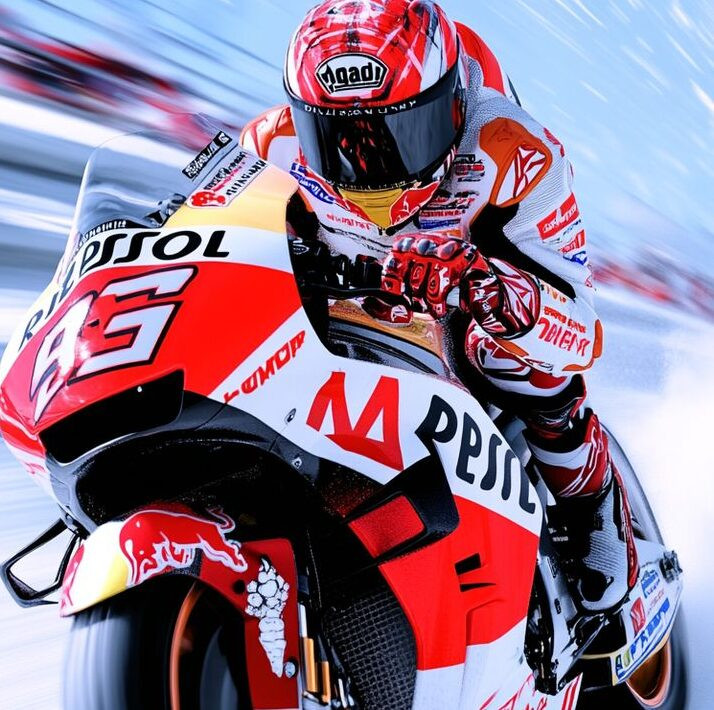
Here are 5 jaw-dropping ways MotoGP is transforming motorcycle racing and influencing the entire two-wheeled world.
1. Aerodynamic Wings: From Downforce Concept to Racing Standard
In 2016, Ducati introduced something never before seen on a production motorcycle race bike: aerodynamic winglets. The paddock was skeptical. Within three years, every manufacturer on the MotoGP grid had adopted similar technology.
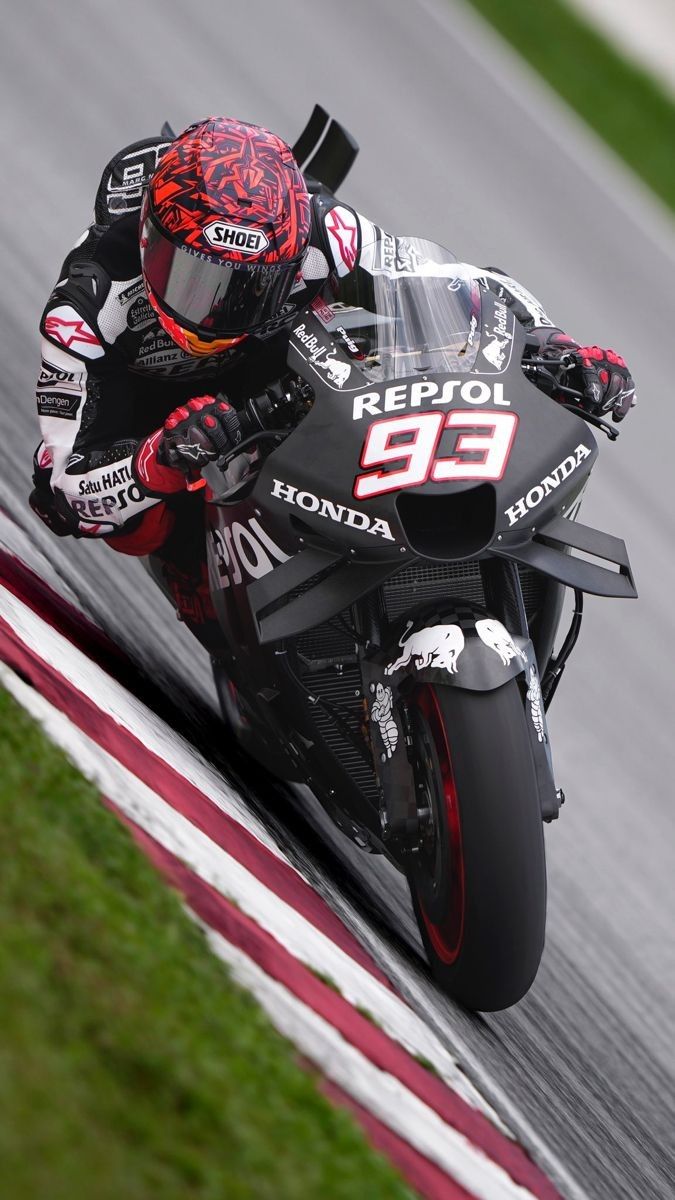
Modern MotoGP aerodynamic packages include:
- Front winglets generating up to 50 kg of downforce at race speeds.
- Rear spoons and hump fairings managing airflow over the rear wheel.
- Swingarm winglets reducing wheelie tendency during acceleration.
- Ride-height devices (holeshot devices) that lower the bike’s center of gravity during starts for maximum acceleration.
These innovations have dramatically reduced lap times and increased stability at high speeds, transforming MotoGP bikes into two-wheeled Formula 1 cars in terms of aerodynamic sophistication.
2. Seamless Shift Gearboxes and Electronic Control Units
MotoGP bikes now feature seamless shift gearboxes that allow gear changes without any interruption in power delivery — a technology originally developed for Formula 1 cars. Combined with sophisticated Electronic Control Units (ECUs), these systems manage hundreds of parameters simultaneously during each lap.
The ECU in a modern MotoGP bike controls:
- Traction control across multiple slip-angle maps (up to 16 settings).
- Engine braking control preventing rear wheel locking under hard deceleration.
- Anti-wheelie systems using lean angle and acceleration sensors.
- Launch control for optimal starts from the grid.
- Power delivery modes allowing riders to save fuel during a race.
3. Carbon Fiber Everywhere: Lightweight Revolution
The use of advanced carbon fiber composites in MotoGP has reached extraordinary levels. From frames and swingarms to brake discs and even exhaust systems, carbon fiber allows engineers to create components that are simultaneously lighter, stiffer, and stronger than ever before.
Key carbon fiber applications in MotoGP:
- Carbon fiber brake discs capable of sustained temperatures above 1,000°C (1,832°F).
- Monocoque chassis elements weighing just a few kilograms.
- Aerodynamic bodywork shaped with sub-millimeter precision.
4. Advanced Tire Technology and Management
Since Michelin returned as the sole tire supplier in 2016, MotoGP tire technology has advanced enormously. Modern MotoGP tires are developed using data from hundreds of laps across all circuits, and riders manage tire temperatures and usage through highly sophisticated tire management strategies.
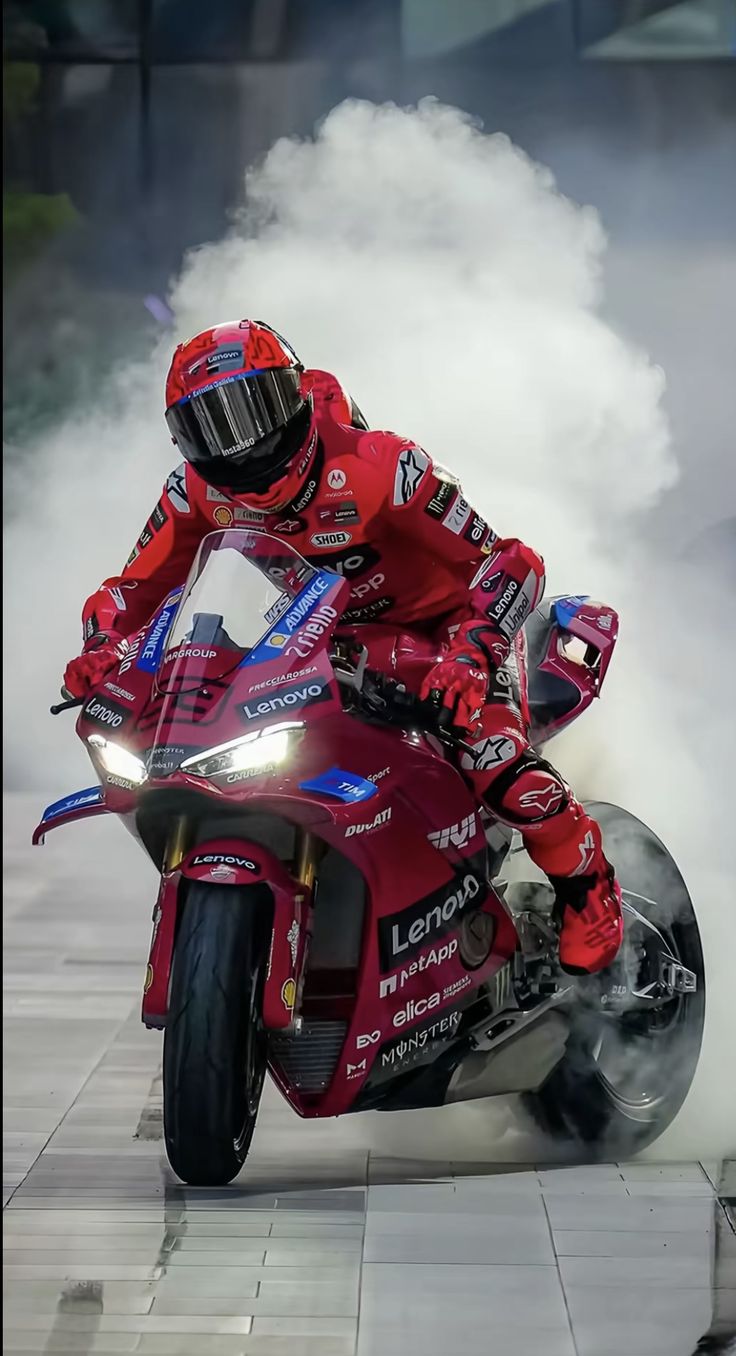
Notable tire technology advancements:
- Asymmetric tire compounds with different hardness on each side to account for circuit-specific corner loads.
- Micro-sensor arrays embedded in tire structures providing real-time temperature and deformation data.
- Tread pattern optimization using AI-driven simulation software tested in virtual environments before track use.
5. MotoGP as a Testing Ground for Road Bikes
Perhaps MotoGP’s greatest transformation of motorcycle racing is its role as an accelerator for road bike technology. Technologies that first appeared on MotoGP bikes have a direct pipeline to the production motorcycles you can buy today.
Technologies that made it from MotoGP to road bikes:
- Cornering ABS — now standard on premium motorcycles.
- Lean-angle sensitive traction control — available on sport bikes from Ducati, Honda, and BMW.
- Quickshifters and autoblipper systems — seamless up and down gear changes on road bikes.
- Tire pressure monitoring systems (TPMS) — for real-time inflation data.
The Future is Electric
With MotoE (the all-electric support series) growing in stature and Dorna Sports committed to carbon neutrality by 2027, the electrification of motorcycle racing is underway. MotoGP’s innovations will increasingly inform electric motorcycle development, bridging the gap between the world’s fastest motorcycles and the road bikes of tomorrow.
MotoGP’s transformation of motorcycle racing is far from over — and the best innovations are still to come.