

Uncategorized
Why Entering a Car in NASCAR’s Daytona 500 Might Be Too Expensive for Many Teams
May
Introduction: The High Costs of Entering the Daytona 500
The Daytona 500 is one of the most prestigious and anticipated races on the NASCAR calendar. Dubbed the “Great American Race,” it’s an event that not only brings the best drivers to the track but also serves as the season opener for NASCAR’s Cup Series. However, behind the glittering lights and high-speed thrills lies a harsh reality for many teams—the cost of entering a car in this iconic race.
While it’s an honor to participate in the Daytona 500, the financial burden required to even qualify for this race can be overwhelming for many teams, especially smaller, independent ones. The costs associated with entering a car in NASCAR’s Daytona 500 have skyrocketed over the years, and for some teams, the fees may be too high to justify.
In this article, we’ll break down the costs involved in entering a car in the Daytona 500, why it can be financially straining for many teams, and what this means for the future of the race and NASCAR in general. If you’re a fan of motorsports, understanding the financial aspects of NASCAR racing will give you a deeper appreciation of the efforts that go into the sport.
1. The Breakdown of Costs to Enter a Car in the Daytona 500
1.1 The NASCAR Entry Fee: A Startling Reality
To start, the first major cost a team faces when entering the Daytona 500 is the entry fee. This fee is not negotiable and is set by NASCAR. For a car to be eligible to participate in the race, teams must pay a significant entry fee, which covers their registration and allows them to participate in the qualifying sessions and the race itself.
The 2025 entry fee for the Daytona 500 is estimated at around $50,000 to $100,000. This can vary depending on the type of car and the team’s standing within NASCAR’s rankings. The entry fee is just the starting point of the many financial obligations that come with participating in the Daytona 500.
1.1.1 Comparing Costs: Smaller Teams vs. Major Teams
While the entry fee for the Daytona 500 might seem standard, there’s a huge disparity between the costs incurred by smaller teams and major teams. Big-name teams like Hendrick Motorsports and Joe Gibbs Racing can absorb the entry fees more easily due to their strong sponsorships, commercial deals, and a dedicated financial structure. However, for smaller teams, this upfront cost can be a significant financial burden.
For independent teams or those without extensive backing, paying the entry fee is only the beginning of what is often a massive financial undertaking to race at Daytona. Smaller teams often need to rely on sponsorship deals or outside investors to help cover these costs.
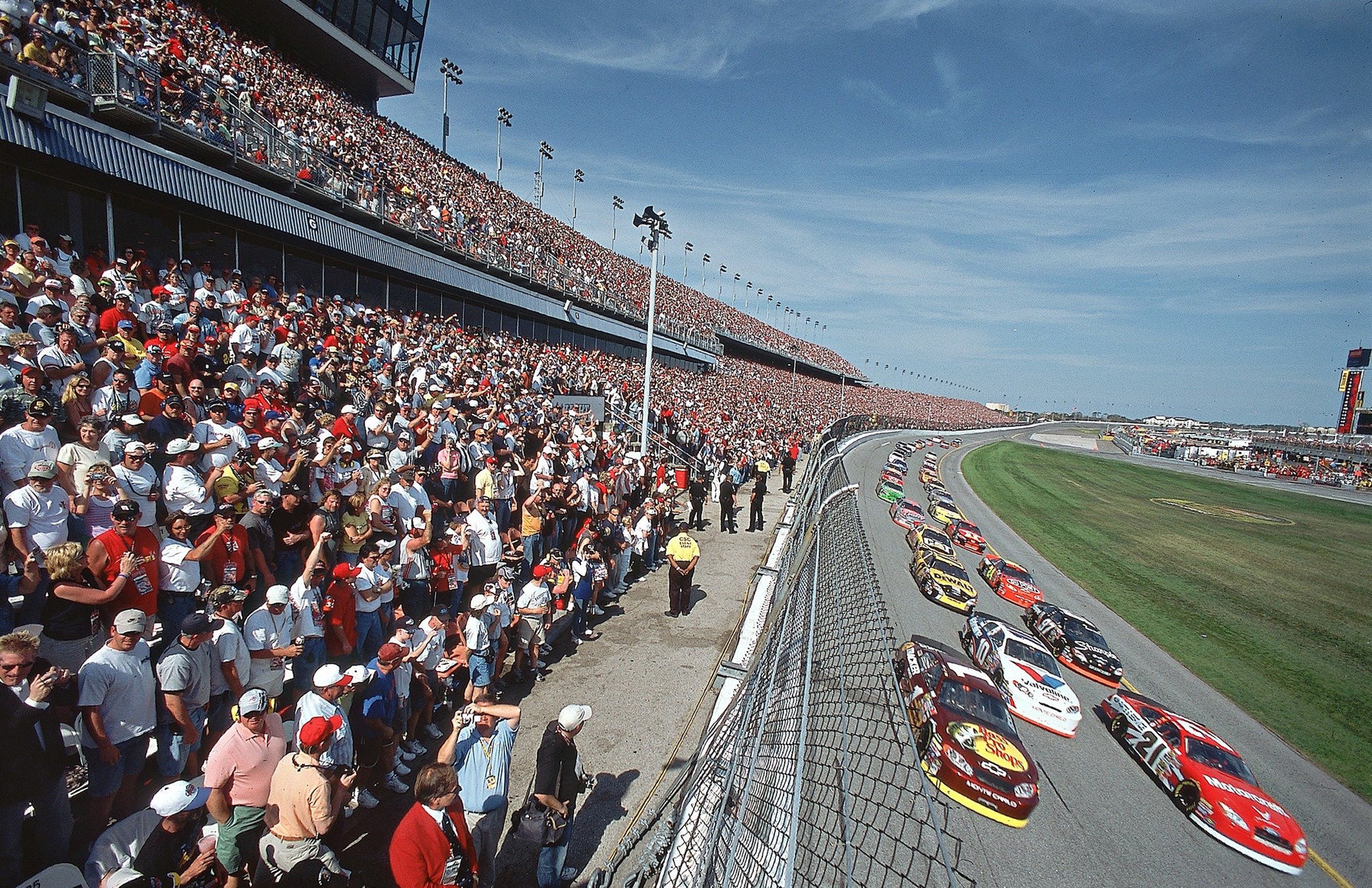
The Daytona 500 represents the ultimate challenge in NASCAR, but the costs involved make it a risky venture for many teams.
2. Car Preparation and the Cost of Building a Competitive Vehicle
2.1 Building the Car: High-Tech and High-Cost Components
The Daytona 500 is not just a race; it’s the ultimate test of a car’s speed, durability, and performance. The cars used in the Daytona 500 are highly specialized machines, custom-built for the specific demands of the track. Each car has to be designed, built, and prepared to handle the grueling speed and conditions of a superspeedway like Daytona International Speedway.
2.1.1 The Cost of a Fully Equipped NASCAR Car
On average, the cost of building a competitive NASCAR Cup Series car can range from $300,000 to $500,000. These cars require cutting-edge technology, high-performance materials, and meticulous engineering to meet NASCAR’s standards. The Daytona 500 requires special consideration for aerodynamics, speed, and reliability, all of which increase the overall costs of building the car.
The car’s chassis, engine, suspension, and tires alone can account for a significant portion of this price. Additionally, specialized tools and equipment are needed for modifications, making it an expensive endeavor even for well-established teams.
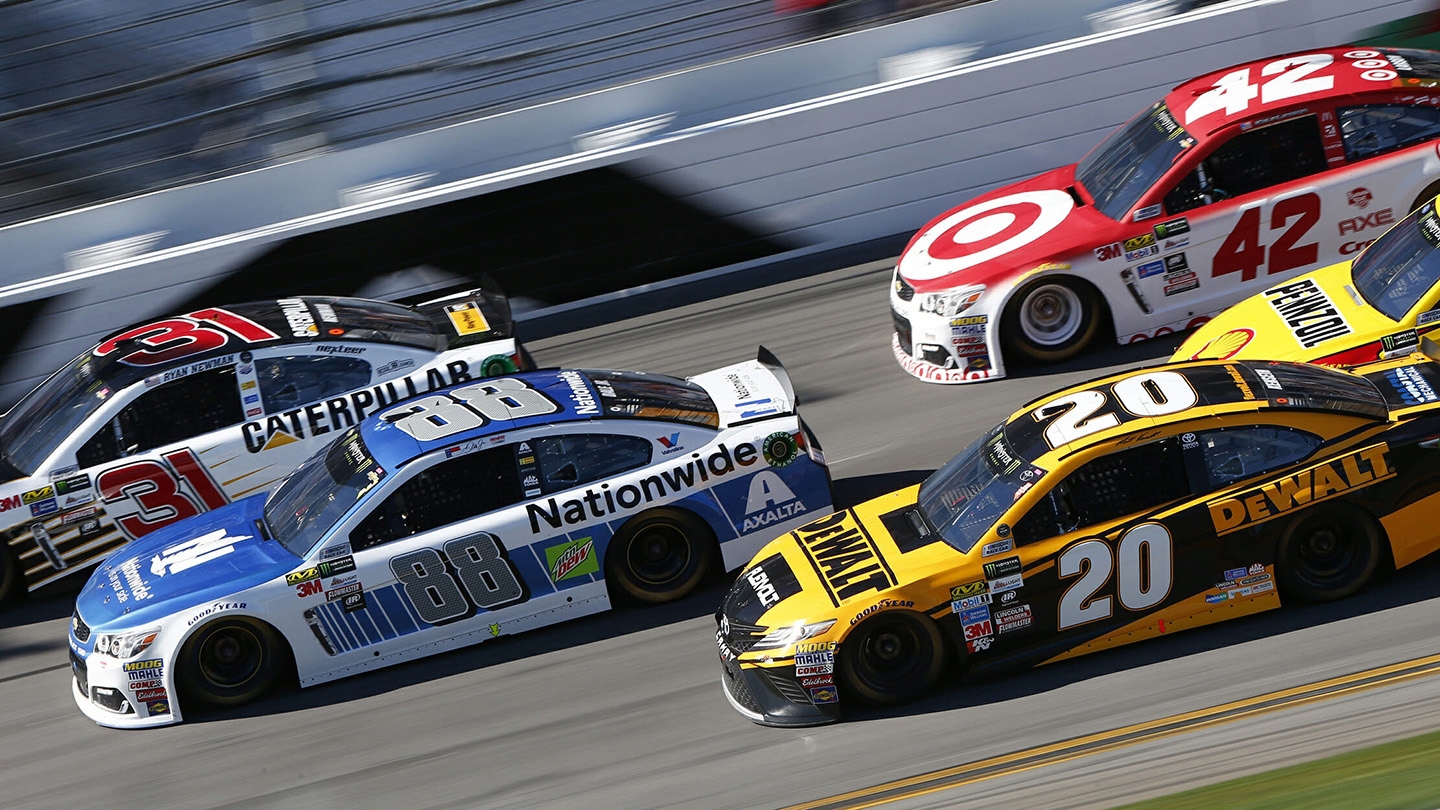
To compete in the Daytona 500, teams must pay hefty entry fees, ranging from $50,000 to $100,000, before even starting the car.
3. The Pit Crew and Support Staff: Salaries and Fees
3.1 The High Cost of Fielding a Full Team
A competitive NASCAR team doesn’t just include a driver and car. Pit crews, engineers, and technical staff are all integral parts of the team, ensuring the car is prepared for race day and that everything runs smoothly during the event. For the Daytona 500, the team requires a high level of preparation and support.
3.1.1 Salaries of Crew Members
The pit crew alone requires extensive training and skill to perform the quick tire changes, fueling, and repairs during the race. The cost of fielding a full team, including mechanics, crew chiefs, and race engineers, can run into the hundreds of thousands of dollars. A full-time pit crew’s salaries for a race like the Daytona 500 could cost anywhere from $150,000 to $300,000 for just the race weekend.
For smaller teams, the challenge is even greater. These teams might not have the financial flexibility to hire experienced crew members, often having to work with a more limited budget and staff. This results in added pressure on the team to perform at a high level with fewer resources.
4. Travel, Accommodations, and Logistics: Additional Hidden Costs
4.1 Travel and Logistics: Getting to Daytona
While Daytona International Speedway might be the focal point of the race, the logistical aspect of getting the car and crew to the event is another significant cost. Transportation of race cars, equipment, and personnel is a logistical challenge, and NASCAR teams spend thousands of dollars just to get everything to the Daytona 500.
4.1.1 Travel Costs: Airfare, Trucks, and Freight
For teams that travel from other parts of the country, the cost of airfare, transporting the cars, and freight costs can quickly add up. Moving cars and equipment across long distances requires specialized transport trucks, trailers, and sometimes even charter flights for crew members.
4.2 Accommodation Costs
Once the team arrives in Daytona, there are further costs for hotels and accommodations. Depending on the size of the team, this can quickly reach several thousand dollars per day. For some smaller teams, they may need to cut back on hotel costs by sharing rooms or staying in more budget-friendly accommodations, which could reduce their ability to compete at the same level as the top-tier teams.
5. Sponsorship and Revenue Generation: How Teams Fund Their Efforts
5.1 Securing Sponsors: The Lifeblood of NASCAR Teams
One of the primary ways for teams to cover the Daytona 500 entry costs is through sponsorship deals. NASCAR teams rely heavily on sponsors for financial support, especially for events like the Daytona 500. These sponsorships typically cover a large portion of the costs, including the entry fees, car preparation, crew salaries, and logistical expenses.
5.1.1 The Financial Commitment of Sponsors
Major sponsors such as Monster Energy, Goodyear, and Husky bring in millions of dollars to the sport. However, securing these lucrative deals requires significant marketing strategies, negotiating contracts, and maintaining good relations with corporate partners. Smaller teams might struggle to secure large sponsorships, often relying on smaller, regional sponsors or even personal investors to cover costs.

Caption: Sponsorship deals are essential for NASCAR teams to cover the enormous costs associated with entering the Daytona 500, but these deals often come with their own challenges.
6. The Dangers of Financial Strain: The Risk of Competing in the Daytona 500
6.1 The Pressure of Meeting Expectations
While participating in the Daytona 500 is a dream for many teams, it also comes with a huge financial burden. For smaller teams, the decision to enter the Clash can put their entire season at risk. If they don’t perform well, they may struggle to cover the costs of entering the rest of the races on the schedule, which can create a financial cycle of struggle.

Fielding a NASCAR team for the Daytona 500 requires an experienced pit crew, engineers, and mechanics, which can cost teams up to $300,000 per race weekend.
6.1.1 The Consequences of Underperformance
For many teams, the Daytona 500 represents one of the few opportunities to earn significant revenue. If they fail to perform well or even qualify for the race, it can result in a significant loss of funds, leading to potential bankruptcy or the inability to fund the rest of the season. With the high costs of travel, pit crews, and vehicle preparation, a poor result can be financially disastrous for teams that rely heavily on prize money and sponsorship.
7. Conclusion: The Reality of NASCAR’s Financial Demands
Participating in the Daytona 500 has always been a dream for NASCAR teams, but the financial realities of the event are undeniable. The costs of entering a car, building a competitive machine, paying the crew, and covering travel and logistical expenses can be astronomical. For many teams, especially smaller ones, these costs are becoming an increasingly insurmountable challenge.
The financial burden associated with entering the Daytona 500 highlights the need for NASCAR to continually assess its policies and find ways to make the sport more accessible to up-and-coming teams. As the costs continue to rise, the sport must evolve to ensure that talented teams, regardless of their financial backing, can compete on the grand stage.
For those who follow NASCAR closely, understanding the costs involved gives fans a deeper appreciation for the immense effort and investment required to bring a car to the starting line at the Daytona 500.
If you’re a passionate NASCAR fan and want to show your love for the sport, check out our NASCAR-inspired hoodies and jogging pants at Kozmozcyber. Wear your pride for Daytona 500 and NASCAR racing with our stylish, comfortable, and high-quality gear. Shop now and support the drivers who make it all possible!
