

Uncategorized
5 Motorsport Clothing Track-Ready Fashion: How to Mix Comfort and Performance Check out Now

Apr
Motorsport clothing are thrilling, fast-paced, and require precision, but there’s one often overlooked aspect of the sport: motorsport clothing. These uniforms do more than just identify drivers; they are a critical part of safety, performance, and style. In the world of motorsports, the ideal combination of comfort, performance, and style isn’t just a luxury—it’s a necessity. From Formula 1 to MotoGP, and even in the rally world, racing clothing is carefully crafted to ensure that athletes perform at their highest level while remaining safe and comfortable under extreme conditions.
But what exactly goes into designing the perfect motorsport clothing? In this article, we’ll explore how to achieve the perfect mix of comfort and performance, taking into account the materials, design features, and the evolution of these essential racing uniforms.
1. The Key Components of Motorsport Clothing: Safety and Performance First
When designing motorsport clothing, safety is always the top priority. Whether it’s a fire-resistant racing suit, impact-absorbing gloves, or helmet protection, the primary goal is to keep drivers safe while ensuring that they can perform at the peak of their abilities.
Fire-Resistant Fabrics
One of the most critical aspects of motorsport clothing is the material used to protect against fire hazards. Nomex is one of the most commonly used fabrics in racing suits. This material is fire-retardant, which means that it can withstand extreme temperatures and reduce the risk of burns in the event of an accident. The entire suit, from the base layers to the outer suit, is typically made of this fabric to provide maximum protection for the driver.
Additionally, the helmet, gloves, and shoes are all made from materials designed to withstand heat. For example, gloves are typically constructed with leather and fireproof fabrics to ensure both grip and heat resistance.

Caption: Nomex fabric used in racing suits provides fire resistance, ensuring driver safety during high-speed events.
Comfort and Flexibility
While safety is crucial, comfort plays a vital role in ensuring that drivers can maintain focus and control throughout the race. Motorsport suits are designed with flexibility in mind, offering a close fit without compromising freedom of movement. Modern racing clothing is crafted to accommodate a range of motions, allowing drivers to turn the steering wheel, shift gears, and perform other tasks with ease.
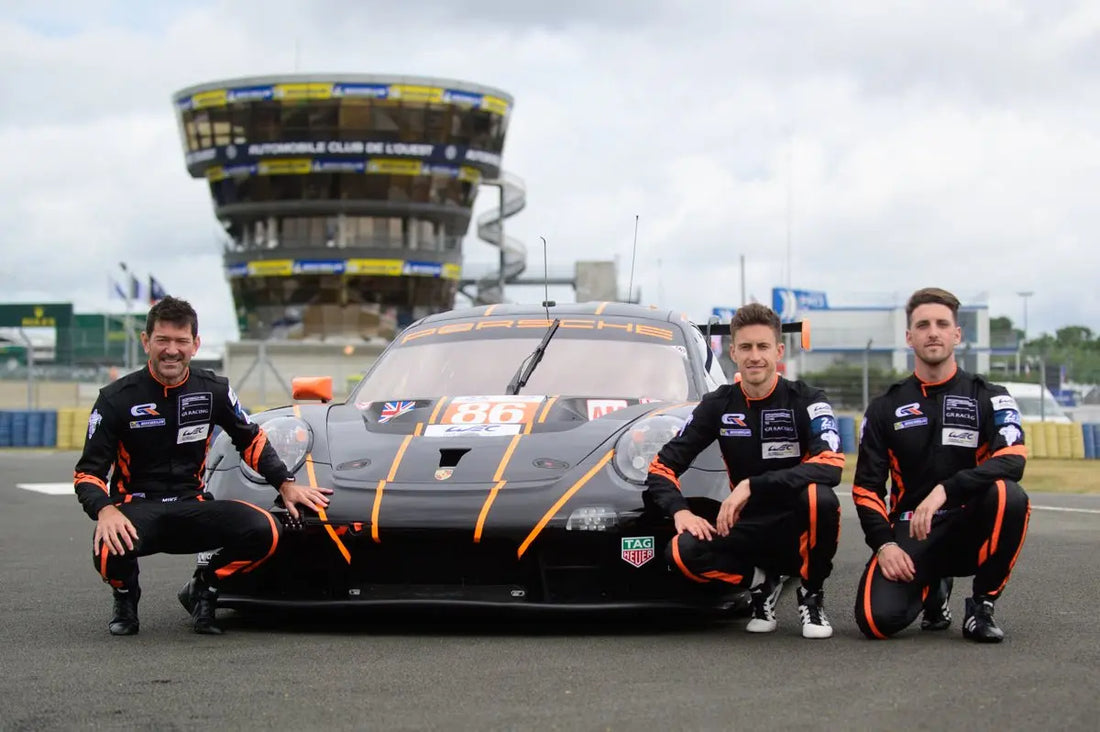
To enhance comfort, racing clothing is often designed with ventilation in key areas, such as the armpits and lower back. This ensures that drivers stay cool despite the extreme temperatures they face inside the car or bike. For example, perforated panels are often sewn into the design to improve airflow, allowing sweat to evaporate and reducing the risk of overheating during long races.
2. Material Innovations in Motorsport Clothing: From Traditional Fabrics to High-Tech Solutions
The world of motorsport clothing has evolved significantly in terms of materials. From traditional cotton and wool, racing gear now incorporates cutting-edge materials to enhance both safety and performance.
Carbon Fiber and Advanced Synthetics
In the pursuit of higher performance and lighter weight, many racing teams have turned to carbon fiber and advanced synthetic materials. These fabrics offer lightweight durability, ensuring that drivers remain agile while benefiting from maximum protection. The use of carbon fiber composites in racing helmets, for example, provides a robust yet light structure that minimizes head injury risks during high-speed collisions.
Synthetic materials such as Kevlar and Dyneema are also incorporated into motorsport clothing to provide additional strength without increasing weight. These fabrics are often integrated into areas of the racing suit that require extra reinforcement, such as the elbows, knees, and shoulders.
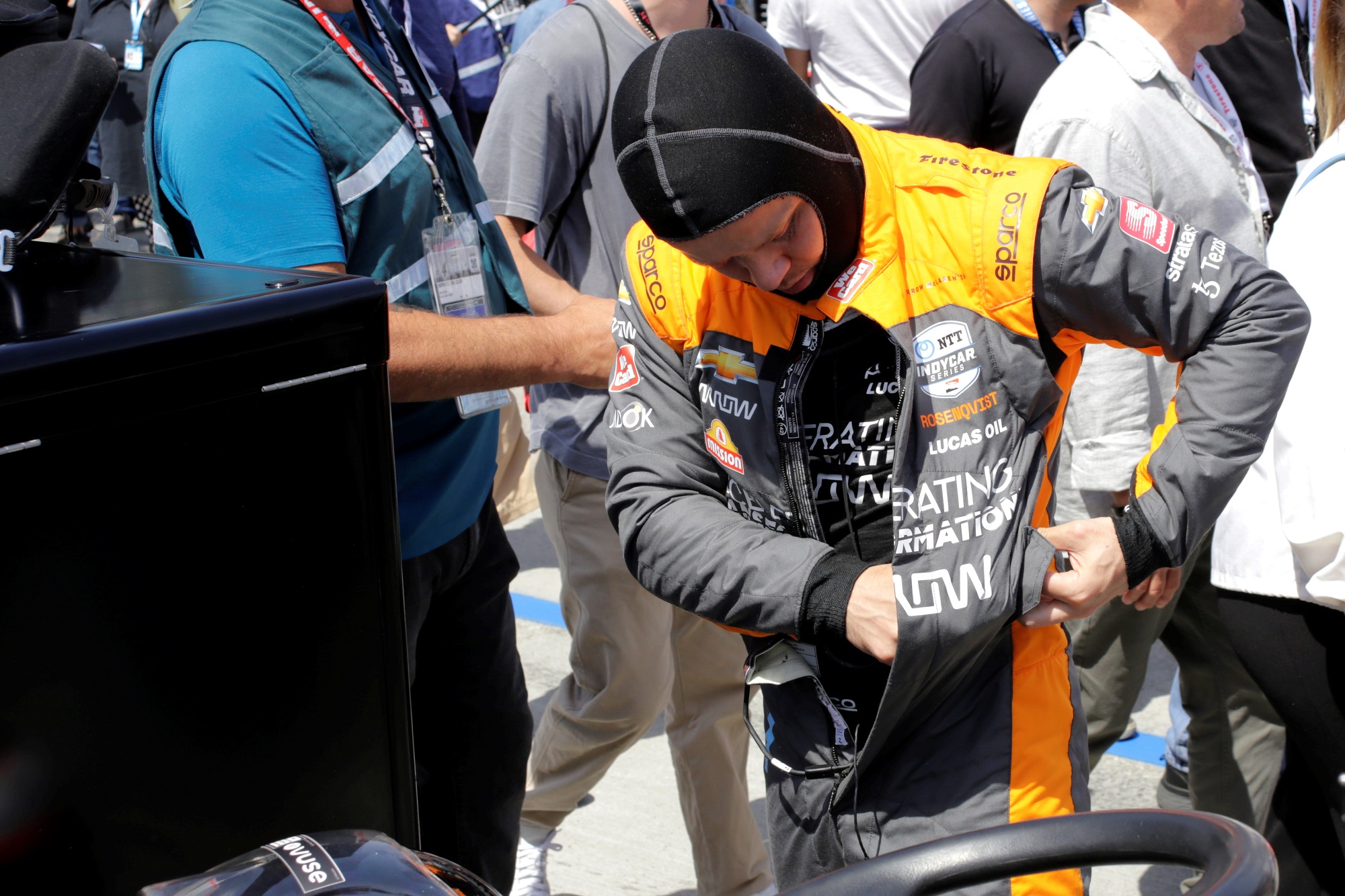
Caption: The use of carbon fiber in racing suits provides lightweight strength while ensuring maximum protection.
Breathable, Moisture-Wicking Fabrics
In addition to safety, modern motorsport clothing must be breathable to allow sweat to evaporate and regulate body temperature. Moisture-wicking fabrics like CoolMax and Tactel are incorporated into racing suits and undergarments to keep the driver dry and comfortable. These materials pull moisture away from the skin and to the surface of the fabric, where it can evaporate quickly, keeping the driver cool during the race.
Anti-Microbial Materials
Long races and high-intensity driving require long hours of wearing racing suits, which can lead to discomfort from sweat and bacteria. As a solution, many modern racing suits feature anti-microbial treatments to reduce odors and prevent the growth of bacteria on the fabric. This ensures that drivers can focus on the track without being distracted by discomfort or unpleasant smells.
3. Ergonomics and Fit: The Importance of Custom-Fitting Motorsport Clothing
When it comes to motorsport clothing, achieving the perfect fit is essential for both comfort and performance. A suit that is too tight or too loose can hinder movement, compromise safety, and create discomfort during long races.
Tailored Fits for Optimal Performance
Modern motorsport suits are often custom-tailored to each driver, ensuring that the attire fits snugly while allowing for full mobility. The fit is particularly important in Formula 1, where the driver is required to handle high-speed turns and endure significant G-forces. The suit must fit perfectly to reduce drag, enhance performance, and ensure that the driver can move freely.
To accommodate a wide range of body shapes and sizes, racing teams often work with tailors and designers who create bespoke suits for each driver, factoring in their body dimensions and specific comfort requirements.
Compression Fit for Enhanced Circulation
Some racing suits are also designed with compression technology to enhance blood circulation. This technology helps prevent fatigue, reduces the risk of muscle strain, and allows drivers to stay focused for longer periods of time. Compression fabrics have been shown to reduce the buildup of lactic acid in muscles, improving endurance and recovery time.
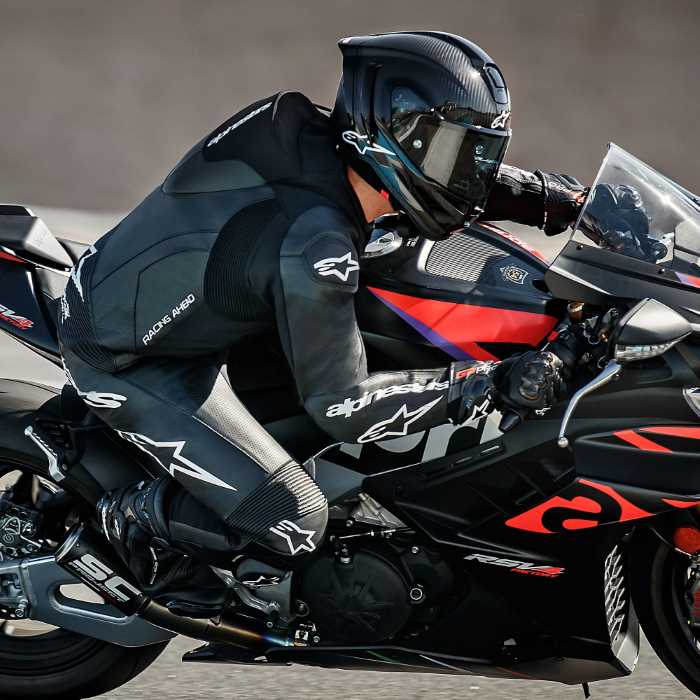
Caption: Custom-tailored racing suits ensure that drivers have the perfect fit, optimizing comfort and performance during high-speed races.
4. Combining Style with Functionality: Motorsport Clothing as a Fashion Statement
While the primary purpose of motorsport clothing is performance and safety, these suits have also evolved to reflect the personality and style of the driver. Over the years, racing uniforms have become a fashion statement both on and off the track.
Design and Branding in Motorsport Clothing
Today, motorsport clothing isn’t just about safety and comfort; it’s also about representing the team’s identity and the driver’s personal brand. Sponsorship logos and team colors are prominently displayed on the racing suit, allowing companies to showcase their partnership with top-tier teams and drivers.
The design of motorsport clothing has evolved to incorporate bold colors, sleek lines, and futuristic aesthetics that make the driver stand out in the spotlight. Many drivers also collaborate with designers to create suits that match their personality and preferences, making the racing attire a visual extension of their identity.
Signature Styles
In addition to team uniforms, many drivers have personal gear designed to reflect their unique style. For instance, Valentino Rossi has worn signature custom suits featuring playful motifs and personal logos that connect with his fans. This personalized fashion aspect has become a unique element of modern motorsport, with each suit telling a story of both the team and the individual.

Caption: Valentino Rossi’s custom-designed racing suit features playful designs and personal touches that connect with his fans.
5. The Future of Motorsport Clothing: Sustainability and Innovation
As technology and materials continue to evolve, the future of motorsport clothing lies in sustainability and smart technology. Racing teams and designers are increasingly focused on developing eco-friendly materials and incorporating smart fabrics that can monitor vital signs, adjust temperature, or even track performance.
Eco-Friendly Materials
As environmental concerns grow, many manufacturers are working towards making motorsport clothing more sustainable. Some companies are experimenting with recycled fibers and bio-based fabrics that reduce the environmental impact of production. These materials promise to make the racing industry more sustainable while still maintaining the high standards of safety and performance required.
Smart Fabrics and Wearable Technology
The integration of smart fabrics is another exciting development in motorsport clothing. These fabrics can monitor a driver’s vital signs, such as heart rate, temperature, and muscle strain, providing real-time data to improve their performance and prevent potential health risks. This technology could revolutionize the way drivers train, race, and recover, leading to enhanced performance and safety.
Conclusion: Achieving the Perfect Balance Between Comfort, Safety, and Style
In the world of motorsports, the perfect racing attire is all about finding a balance between comfort, performance, and style. As technology advances, motorsport clothing continues to evolve, with new materials and designs that improve both safety and comfort. The integration of cutting-edge fabrics, custom fits, and personalized designs ensures that drivers can perform at their best while also reflecting their unique personality.
As we’ve seen throughout this article, the evolution of motorsport clothing has been driven by advancements in material science, ergonomics, and aesthetic design. From the fire-resistant fabrics that keep drivers safe during crashes to the moisture-wicking and breathable materials that keep them cool under pressure, every aspect of modern racing gear is designed with performance and protection in mind. The shift towards using advanced synthetics like Kevlar, Nomex, and carbon fiber demonstrates how much thought and effort go into creating the ideal balance between durability, flexibility, and lightness.
Moreover, comfort is a critical factor that cannot be overlooked. Racing is physically demanding, and for drivers to stay sharp, they need to focus entirely on the track, not their discomfort. Custom-tailored racing suits that allow for full freedom of movement, alongside compression technology that enhances circulation and reduces fatigue, contribute significantly to the driver’s performance. Through years of innovation, motorsport clothing manufacturers have been able to create suits that don’t just fit well—they fit perfectly to the specific needs of the individual driver, thus reducing distraction and maximizing focus on the race.
While motorsport clothing is primarily about performance and safety, the growing trend of personalization in the sport has also turned racing attire into a fashion statement. Drivers like Valentino Rossi have used their suits to express their personalities, blending creativity with professional design. The integration of vibrant colors, team logos, and even personalized artwork has made racing gear as much about identity as it is about performance. These uniforms tell the story of a driver’s journey, their connection to their fans, and their bond with their team. Today, racing attire is more than just gear—it’s a canvas that reflects the driver’s character, and in many cases, their legacy.
Looking to the future, the next frontier for motorsport clothing lies in sustainability and smart technologies. As the world becomes increasingly conscious of its environmental impact, motorsport manufacturers are working to incorporate eco-friendly materials that offer both durability and reduced environmental impact. Likewise, smart fabrics that can monitor a driver’s vital signs, temperature regulation, and even stress levels are on the horizon, allowing teams to better support their drivers in real-time. This is the beginning of a new era where motorsport clothing becomes even more intertwined with technology, providing drivers with data to optimize their health and performance while continuing to keep them safe.
The design of motorsport clothing is also likely to evolve as technology enables more advanced fabrics and wearable technology. The next generation of racing gear may incorporate smart textiles that change their properties based on environmental conditions, or fabrics that adapt to changes in a driver’s body temperature and performance levels. This would be a significant leap forward in creating highly responsive racing attire that not only supports the driver’s body but enhances their ability to stay at the peak of performance throughout an entire race.
In conclusion, motorsport clothing has come a long way from the rudimentary designs of the past. Today’s racing suits, gloves, helmets, and shoes are meticulously engineered with one goal in mind: to enhance performance while ensuring safety and comfort. These suits are not just protective gear; they are a testament to the evolution of the sport and the continuous pursuit of perfection in every detail. As motorsport clothing continues to evolve with advancements in material science, technology, and design, we can expect the future of racing to become even more innovative, sustainable, and personalized.
Ultimately, motorsport clothing is about pushing the limits—not just on the track, but also in how we think about safety, style, and performance. As drivers race towards new records and triumphs, their racing attire will undoubtedly evolve, blending form and function seamlessly. The perfect balance between comfort, protection, and style will continue to drive the future of motorsport fashion, ensuring that the heroes of motorsport are equipped with the best tools to achieve greatness.
